

Fall Protection Strategies for Metal Sales Standing Seam Roof Systems
Posted by Howie Scarboro - CEO Fall Protection Distributors, LLC on Mar 19, 2026
See the Roof Anchor Compatibility Chart for Metal Sales Standing Seam Panels.

Who Is Metal Sales Manufacturing Corporation?
Metal Sales Manufacturing Corporation has been a significant force in the metal roofing industry since 1963. The company began when E. L. Stephens and C. L. Baird, Sr., left Reynolds Aluminum Supply Company with a simple but ambitious idea. They believed that builders across the country needed durable, custom light-gauge metal roofing and siding products with faster turnaround times than anyone was offering. That vision drove them to open the first Metal Sales location in Louisville, Kentucky.
By 1966, Metal Sales was delivering custom-cut, ready-to-install roofing and siding panels often within a week. The demand pushed the company to expand. A second plant opened in Nashville in 1969, followed by a facility in Jacksonville in 1976, marking the company's official entry into the commercial and industrial construction markets.
Today, Metal Sales Manufacturing Corporation operates 21 manufacturing plants across 17 states, including Alaska. That massive footprint allows them to deliver "national brand" quality with the speed and flexibility of a local supplier. Their catalog covers more than 75 standing seam and exposed-fastener profiles, available in over 150 ENERGY STAR-listed colors. Metal Sales is also known for its advanced coating systems, premium substrates, and industry-leading finish warranties.
Why Non-Penetrating Fall Protection Anchors Are Critical for Metal Sales Standing Seam Roofs
Standing seam roofs look simple from the ground, but their internal structure is more complex than many installers realize. Metal Sales designs its standing seam systems around concealed clips that allow the panels to expand and contract with changing temperatures. This floating roof design is essential for long-term performance. The entire weather-tight seal relies on the seams staying intact and remaining free to move. That is precisely why non-penetrating fall protection anchors are the only safe option on these roofs.
When a fastener pierces a Metal Sales seam or the panel flat, several problems show up almost immediately. Thermal expansion becomes restricted, water intrusion becomes a concern, and the panel surface can distort into noticeable oil-canning. Non-penetrating anchors avoid all of that. They clamp directly onto the standing seam using low torque settings that protect the seam and keep the clip system functioning as Metal Sales intended.
- SSRA1 Standing Seam Roof Anchor: A universal non-penetrating anchor that attaches to the seam using 12 stainless-steel set screws, providing a 5,000-pound certified tie-off point without drilling.
- SSRA2 Adjustable Roof Jack Adapters: Adapters that mount to SSRA1 anchors to support a 2x10 walk board, allowing workers to stand on a level surface on steep-slope roofs.
- SSRA3 Anchor Plate: A heavy-duty aluminum plate that spans two SSRA1 anchors to create a certified attachment point for horizontal lifeline systems.
- SSRA HLL 100-foot Temporary Horizontal Lifeline Kit: A complete, portable lifeline system for up to two workers that allows safe lateral movement across wide roof sections without panel penetrations.
- Super Anchor 120-foot Permanent Horizontal Lifeline Kit: A long-term safety solution featuring galvanized steel cables and non-penetrating riser posts for facilities requiring frequent maintenance access.
- Ridge Pro Steep Assist Anchor: A ridge-mounted anchorage device that hooks over the peak to provide safe vertical lifeline access on pitches from 6:12 to 12:12.
Proper Attachment: Set-Screws and Torque Requirements
- Cupped-Tip Stainless Steel Set-Screws: Use these screws exclusively on 22-gauge steel panels. Torque these screws to 90 inch-pounds.
- Nylon-Tipped Set-Screws: Apply these tips to 22-gauge or 24-gauge steel panels to achieve certified holding power. Torque these screws to 180-200 inch-pounds.
- Maintenance: Treat nylon tips as consumables. Replace these tips every 3 to 5 uses to maintain maximum grip strength.
CRITICAL WARNING: NO IMPACT GUNS
Never use an impact gun to install set-screws. Over-torquing with an impact driver crushes the standing-seam rib, causing permanent panel deformation and compromising the anchor's certified holding power. This error damages the anchor hardware, compromises worker safety, and voids Metal Sales Manufacturing Corporation's manufacturer's warranty. Always use a calibrated torque wrench for final installation.
Metal Sales Vertical Seam Snaplock Panels (SSRA Compatible 22/24 gauge Steel)

Metal Sales' Vertical Seam panels bring structural strength, clean lines, and long-term performance to commercial, architectural, and higher-end residential projects. These panels snap together with a 1.75-inch rib that locks firmly in place, giving installers the speed of a snap-fit system without sacrificing the weather resistance expected of modern standing-seam roofing. Panel widths are 12, 16, and 18 inches with panel lengths from 5 feet to 45 feet. Vertical Seam panels are available in 26-gauge, 24-gauge, and 22-gauge steel. They can be installed on 1:12 slopes over solid decking or 3:12 slopes on open framing, making them adaptable for everything from long commercial spans to complex architectural roofs. See the Roof Anchor Compatibility Chart for Metal Sales 22 Gauge and 24 Gauge Vertical Seam Snaplock Panels.
Fall Protection for Vertical Seam Panels
- SSRA1 Standing Seam Roof Anchor: Provides a direct, non-penetrating clamp-on connection to the 22-gauge and 24-gauge steel ribs without drilling.
- SSRA2 Adjustable Roof Jack Adapters: Mount on top of the SSRA1 to support 2x10 walkboards for staging tools on steep sections.
- SSRA3 Anchor Plate: Connects to the SSRA1 anchors to serve as the attachment point for temporary lifeline systems.
- SSRA HLL 100-foot Temporary Horizontal Lifeline Kit: Allows two workers to stay tied off while moving along the roof without repositioning anchors.
- Super Anchor 120-foot Permanent Horizontal Lifeline Kit: Provides maintenance crews with a permanent tie-off path that stays ready year-round.
- Ridge Pro Steep Assist: The required solution for 26-gauge steel and all slopes from 6:12 to 12:12, hooking over the peak to preserve the panel finish.
Metal Sales Magna-Loc Mechanical Panels (SSRA Compatible 22/24 gauge Steel)

Metal Sales' Magna-Loc panel is a heavy-duty, mechanically seamed standing-seam roof system designed for demanding commercial and industrial projects. Offered in 16-inch and 18-inch coverage widths with a 2-inch rib height, this panel creates a firm, uniform surface that withstands harsh weather and spans confidently. Magna-Loc panels are available in 22-gauge and 24-gauge steel, as well as aluminum. A 1/2:12 minimum slope keeps Magna-Loc viable for low-slope commercial designs, while valleys require a 3:12 pitch for proper drainage. These panels carry certifications including FM 1-90, UL 580, and ASTM E 1592. See the Roof Anchor Compatibility Chart for Metal Sales 22 Gauge and 24 Gauge Magna-Loc Mechanical Panels.
Fall Protection For Magna-Loc Panels
- SSRA1 Standing Seam Roof Anchor: Grips the Magna-Loc ribs cleanly on 22-gauge and 24-gauge steel, keeping the roof sealed and the coating undisturbed.
- SSRA2 Adjustable Roof Jack Adapter: Attaches to the SSRA1 and supports a 2x10 walkboard for workers or for staging tools and materials.
- SSRA3 Anchor Plate: Enables horizontal mobility when used as a base for lifeline systems.
- SSRA HLL 100-foot Temporary Horizontal Lifeline Kit: Allows crews to move significant distances while staying tied off at all times.
- Super Anchor 120-foot Permanent Horizontal Lifeline Kit: Stays in place year-round for maintenance teams requiring a ready-made tie-off route.
- Ridge Pro Steep Assist: Provides a safe option for slopes from 6:12 to 12:12 by hooking over the ridge.
Metal Sales Seam-Loc 24 Mechanical Trapezoidal Panels (SSRA Compatible 22/24 gauge Steel)

Metal Sales' Seam-Loc 24 panels offer builders a heavy-duty, mechanically seamed option that withstands long runs and demanding commercial environments. These panels come in 24-inch coverage widths and use a tall rib measuring 2-11/16 inches. The taller seam locks into place with mechanical seaming equipment, creating a tight joint that holds steady under harsh conditions. Contractors can order Seam-Loc 24 in 22-gauge or 24-gauge steel. See the Roof Anchor Compatibility Chart for Metal Sales 22 Gauge and 24 Gauge Seam-Loc 24 Mechanical Trapezoidal Panels.
Fall Protection for Seam-Loc 24 Panels
- SSRA1 Standing Seam Roof Anchor: Grips the tall trapezoidal rib on 22-gauge and 24-gauge steel without piercing the metal skin.
- SSRA2 Adjustable Roof Jack Adapters: Mount on the SSRA1 to support 2x10 walkboards, providing a level platform for workers and tools.
- SSRA3 Anchor Plate: Serves as the connection point for horizontal mobility on extended commercial roof runs.
- SSRA HLL 100-foot Temporary Horizontal Lifeline Kit: Keeps two workers tied in during installation or maintenance.
- Super Anchor 120-foot Permanent Horizontal Lifeline Kit: Offers a permanent tie-off path for maintenance crews.
- Ridge Pro Steep Assist: The necessary solution for 26-gauge steel or slopes from 6:12 to 12:12, creating a stable anchor without touching the seam.
Metal Sales T-Armor T-Seam Panels (SSRA Compatible 22/24 gauge Steel)

Metal Sales' T-Armor panels are available in several coverage widths, including 12, 16, and 18 inches, and use rib heights of 2-3/8 or 3 inches. Every version relies on a fully mechanical seam that locks the system together and gives the panel its well-known strength. T-Armor panels are available in 22-gauge or 24-gauge steel or aluminum. Factory-applied sealant at the sidelap and a continuous mechanical seam help the roof shed water under challenging conditions. See the Roof Anchor Compatibility Chart for Metal Sales 22 Gauge and 24 Gauge T-Armor T-Seam Panels.
Fall Protection for T-Armor Panels
- SSRA1 Standing Seam Anchor: Connects cleanly to the mechanical rib on 22-gauge and 24-gauge steel without disrupting factory or field-applied sealants.
- SSRA2 Adjustable Roof Jack Adapter: Slides onto the SSRA1 to support a 2x10 walkboard for level staging on steep roofs.
- SSRA3 Anchor Plate: Serves as the mounting foundation for horizontal lifeline systems.
- SSRA HLL 100-foot Temporary Horizontal Lifeline Kit: Ideal for temporary installation jobs requiring lateral mobility.
- Super Anchor 120-foot Permanent Horizontal Lifeline Kit: Provides a predictable path for facilities with frequent rooftop access.
- Ridge Pro Steep Assist: The preferred non-penetrating protection for slopes between 6:12 and 12:12.
Metal Sales Snap-Loc 24 Trapezoidal Snaplock Panels (SSRA Compatible 22/24 gauge Steel)

Metal Sales Manufacturing Corporation's Snap-Loc 24 system is a dependable structural standing-seam option with a wide 24-inch coverage area and a tall 3-inch rib. This profile installs on slopes down to 1/4:12, making it well-suited for low-slope commercial buildings. Snap-Loc 24 panels are available in 24-gauge and 22-gauge steel, and the snap-together side lap features a factory-applied sealant that seats firmly as each panel locks in. This panel style speeds up installation and helps the roof maintain long-term weather protection. See the Roof Anchor Compatibility Chart for Metal Sales 22 Gauge and 24 Gauge Snap-Loc 24 Trapezoidal Snaplock Panels.
Fall Protection for Snap-Loc 24 Panels
- SSRA1 Standing Seam Roof Anchor: Attaches directly to the 22-gauge or 24-gauge rib, avoiding fasteners through the metal.
- SSRA2 Adjustable Roof Jack Adapters: Sit atop the SSRA1 and hold a 2x10 walkboard to help workers stay safe on steep roof runs.
- SSRA3 Anchor Plates: Pair with lifeline kits to form a temporary path for two workers.
- SSRA HLL 100-foot Temporary Horizontal Lifeline Kit: Enables safe movement across wide commercial roofs without deforming the ribs.
- Super Anchor 120-foot Permanent Horizontal Lifeline Kit: Removes the need for temporary staging and keeps the roof surface undisturbed for its service life.
- Ridge Pro Steep Assist: Reliable for steep slopes between 6:12 and 12:12.
Metal Sales SR2 Insulated Mechanical Panel (SSRA1/SSRA2 Compatible 22/24 gauge Steel)

The Metal Sales SR2 panel delivers wide coverage and dependable performance for projects where strength and thermal control are top priorities. This standing seam profile spans an impressive 40 inches. It uses a 2-inch rib that sheds water efficiently while keeping the roofline clean and modern. The concealed fastening system protects against weather intrusion and preserves the uninterrupted appearance of a true standing seam roof. SR2 panels come in 22-gauge, 24-gauge, and 26-gauge steel. See the Roof Anchor Compatibility Chart for Metal Sales 22 Gauge and 24 Gauge SR2 Insulated Mechanical Panels.
Fall Protection for SR2 Panels
- SSRA1 Standing Seam Roof Anchor: A viable option for 22-gauge and 24-gauge steel to maintain the panel's shape and seal.
- SSRA2 Adjustable Roof Jack Adapter: Mount on the SSRA1 and support a 2x10 walkboard without penetrating the roof.
- Ridge Pro Steep Assist: The preferred anchor for 26-gauge steel and slopes from 6:12 to 12:12.
- CRITICAL WARNING: Because SR2 panels are 40 inches wide, the SSRA3 Anchor Plate is incompatible, which also removes the option to use the 100-foot and 120-foot horizontal lifeline kits.
Metal Sales Clip-Loc Snaplock Panel (Ridge Pro Only)

The Clip-Loc panel from Metal Sales Manufacturing Corporation combines strength and clean aesthetics with a concealed-fastener design that eliminates exposed screws. With a 16-inch coverage width and a rib height of 1-5/8 inches, the panel delivers a balanced look for residential and commercial buildings. Clip-Loc panels are available in 22-gauge, 24-gauge, and 26-gauge steel and hold an ICC-ES Evaluation Report confirming compliance with building code requirements in multiple regions. See the Roof Anchor Compatibility Chart for Metal Sales Clip-Loc Snaplock Panels.
Fall Protection For Clip-Loc Panels
Clip-Loc does not use a traditional standing-seam rib, so its seam shape is incompatible with clamp-style anchors. Because the SSRA1, SSRA2, and SSRA3 systems will not work on this profile, workers must utilize ridge-mounted fall protection to avoid seam deformation.
- Ridge Pro Steep Assist: Provides a secure tie-off point on slopes from 6:12 to 12:12 by hooking over the roof peak and avoiding seam contact.
Metal Sales Image II Nailstrip Panels (Ridge Pro Only)
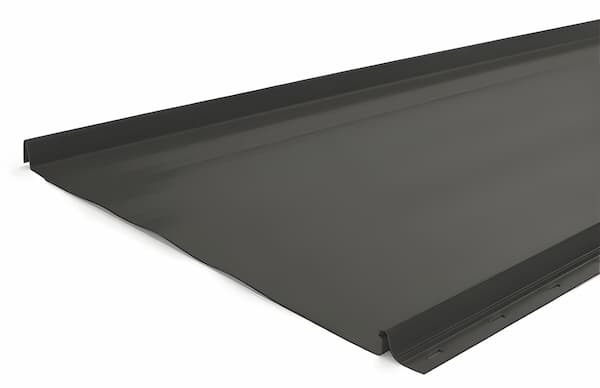
Metal Sales Manufacturing Corporation's Image II panels bring a clean, contemporary look to homes and light commercial structures. This nailstrip fastener system comes in 12-inch and 16-inch coverage widths with a 1-inch rib height. Panel material options include 26-gauge and 24-gauge steel and aluminum. These panels install on a minimum slope of 3:12, giving designers flexibility on a wide range of architectural styles. See the Roof Anchor Compatibility Chart for Metal Sales Image II Nailstrip Panels.
Fall Protection For Image II Panels
Image II panels use a nailstrip fastener system and lighter-gauge materials that cannot support the concentrated loads of seam-mounted anchors. To protect the fastening flange and prevent over-compressing the light-gauge steel, a ridge-based method is required.
- Ridge Pro Steep Assist: The correct solution for this profile on slopes ranging from 6:12 to 12:12, providing a secure anchor without touching the seams.
Metal Sales Maxi-Batten Panel (Ridge Pro Only)

The Metal Sales Maxi-Batten panel delivers a strong architectural presence with its bold batten-style rib and concealed fastener design. It comes in 12-inch, 16-inch, and 18-inch coverage widths. The seam stands 1-7/8 inches tall, which helps move water efficiently and adds rigidity across long spans. These panels are available in 22-gauge, 24-gauge, or 26-gauge steel and meet UL 580 Class 90 wind uplift approvals. See the Roof Anchor Compatibility Chart for Metal Sales Maxi-Batten Panels.
Fall Protection For Maxi-Batten Panels
Maxi-Batten panels feature a raised batten cap and boxed seam shape that prevent set screws from gripping the rib correctly. Installing seam-mounted anchors on this profile can deform the metal and reduce holding strength, threatening worker safety and the roof's integrity.
- Ridge Pro Steep Assist: Provides a secure tie-off point on slopes from 6:12 to 12:12, locking into position over the ridge.
Metal Sales Mini-Batten Panels (Ridge Pro Only)

Metal Sales Manufacturing Corporation's Mini-Batten panels offer a refined architectural look in 12-inch, 16-inch, and 18-inch widths, with rib heights of 1 inch or 1.5 inches. Each rib features a slim batten cap that adds depth and visual detail. They are available in 22-gauge and 24-gauge steel, with a 26-gauge option for lighter applications. Mini-Batten panels meet key benchmarks for impact resistance and fire performance. See the Roof Anchor Compatibility Chart for Metal Sales Mini-Batten Panels.
Fall Protection for Mini-Batten Panels
The architectural batten cover on this panel prevents the SSRA system from clamping correctly to the structural rib.
- Ridge Pro Steep Assist: The preferred anchor for straight-slope Mini-Batten roofs on pitches from 6:12 to 12:12.
Metal Sales Curved Mini-Batten Panels (Requires Inspection)
Metal Sales offers a curved version of its Mini-Batten profile for projects that require radius roof systems. These panels can form tight curves down to 4 feet and maintain their distinctive batten-cap appearance. They are available in 12-inch, 16-inch, and 18-inch coverage widths with rib heights of 1 inch or 1.5 inches. See the Roof Anchor Compatibility Chart for Metal Sales Curved Mini-Batten Panels.
Fall Protection for Curved Mini-Batten Panels
Curved Mini-Batten roofs combine a batten-covered rib with a radius profile, making them incompatible with both seam-mounted anchors and standard ridge-based setups. Every curved project requires professional oversight to protect the metal system.
- CRITICAL WARNING: Seam-mounted anchors are not compatible. Every curved Mini-Batten project must be evaluated on-site by a trained fall-protection professional to determine a suitable anchorage method.
Investing in Quality: The Advantage of Certified Safety Hardware
Choosing the right fall protection is an investment in both your crew's safety and your company's professional reputation. While unbranded, low-cost import anchors may appear similar to certified hardware, they often lack the essential structural testing required to meet rigorous American safety standards. We take the guesswork out of your safety plan by providing American-engineered anchors that ISO 17025-accredited laboratories meticulously test to exceed 5,000 pounds of breaking strength.
You can view our complete library of independent laboratory test reports to see the data-driven results that set our safety solutions apart from unverified generic alternatives.
Standing Seam Metal Roof Anchor Panel Compatibility Chart For 22 Ga. Metal Sales
| Vertical Seam | Magna-Loc | Seam-Loc 24 | T-Armor | Snap-Loc 24 | SR2 Insulated | |
|---|---|---|---|---|---|---|
SSRA 1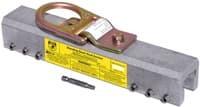 |
YES | YES | YES | YES | YES | YES |
SSRA1 Nylon Tip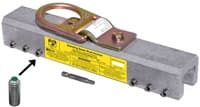 |
YES | YES | YES | YES | YES | YES |
SSRA2 Roof Jack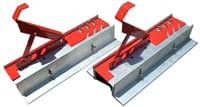 |
YES | YES | YES | YES | YES | YES |
SSRA3 Anchor Plate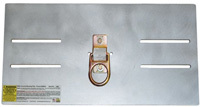 |
YES | YES | YES | YES | YES | NO |
The Ridge Pro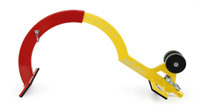 |
YES | YES | YES | YES | YES | YES |
Standing Seam Metal Roof Anchor Panel Compatibility Chart For 24 Ga. Metal Sales
| Vertical Seam | Magna-Loc | Seam-Loc 24 | T-Armor | Snap-Loc 24 | SR2 Insulated | |
|---|---|---|---|---|---|---|
| SSRA 1 |
NO | NO | NO | NO | NO | NO |
| SSRA1 Nylon Tip |
YES | YES | YES | YES | YES | YES |
| SSRA2 Roof Jack |
YES | YES | YES | YES | YES | YES |
| SSRA3 Anchor Plate |
YES | YES | YES | YES | YES | NO |
| The Ridge Pro |
YES | YES | YES | YES | YES | YES |
Standing Seam Metal Roof Anchor Panel Compatibility Chart For Other Metal Sales Profiles
| Clip-Loc Profile | Image II Profile | Maxi-Batten | Mini-Batten | Curved Mini-Batten | |
|---|---|---|---|---|---|
| SSRA 1 |
NO | NO | NO | NO | NO |
| SSRA1 Nylon Tip |
NO | NO | NO | NO | NO |
| SSRA2 Roof Jack |
NO | NO | NO | NO | NO |
| SSRA3 Anchor Plate |
NO | NO | NO | NO | NO |
| The Ridge Pro |
YES | YES | YES | YES | NO |
Contact Us for Expert Standing Seam Fall Protection Advice
For expert guidance on standing-seam roof anchors, lifeline kits, and fall-protection systems that protect both your crew and your panels, contact us today at 863-703-4522 or visit www.StandingSeamRoofAnchor.com. Our safety specialists can help you match the right non-penetrating anchor to your specific roof profile and slope. Let's make your next metal roofing project safe, compliant, and built to last. For continued learning, download OSHA's 48-page Fall Protection Manual and our free Anchor Inspection Form once you've selected the ideal anchors for your roof system. Together, we'll help you stay ahead of OSHA standards while preserving your roof's weather-tight seal.
Safety Tips For Standing Seam Roofs
- Equip Workers with High-Quality Safety Gear: Crews stay sharper and more confident when the gear they strap into actually fits. A harness that sits right on the shoulders, connectors that snap with a clean click, and SRLs that rewind smoothly give workers the peace of mind they need to move across long panel runs.
- Set Up Protective Guardrail Barriers for Work Zones: Guardrails take the pressure off when teams are working near skylights, eaves, or material-staging areas. Instead of clipping in and out to move a few feet, crews can focus on measurements, fasteners, and layout without worrying about drifting too close to an edge.
- Promote a Culture of Safety: Nothing improves a worksite faster than people talking to each other. A few minutes spent reviewing weather, tool placement, and danger areas keeps surprises to a minimum. When workers feel comfortable speaking up, the whole crew becomes more aware and more deliberate.
- Use Specialized Anchor Systems for Standing Seam Roofs: Metal Sales' standing seam systems require fall protection that grips the seam without crushing ribs or damaging coatings. On compatible steel gauges, seam-mounted anchors like the SSRA1 stay in place and allow the panels to move naturally as temperatures shift. When the roof's material or seam shape rules out clamp-style anchors, ridge-mounted gear like the Ridge Pro fills the gap without stressing the panel system.
- Install Permanent Roof Anchor Systems: Extensive facilities roofed with Metal Sales profiles often see technicians return year-round. A permanent horizontal lifeline removes the need to rebuild a temporary system every time. Once installed, these anchors remain ready for the next service call.
- Ensure Proper Footwear for Stability: Roofing boots with solid ankle support and reliable traction make it easier to stay upright while carrying panels or tools over long spans. Good footwear also helps reduce fatigue, which often leads to avoidable slips.
- Develop OSHA-Compliant Safety Plans: A written plan sets expectations long before anyone climbs onto a Metal Sales roof. It outlines lifeline routes, tie-off locations, walkboard placement, and who takes charge during a rescue.
- Prioritize Ladder Safety Training: Teaching crews to use the 4-to-1 rule, secure the ladder at the landing, and check for damaged rungs prevents trouble before the job even begins. When workers treat ladder access as seriously as rooftop tie-off, the entire workflow becomes safer.
- Encourage the Use of Trauma Straps: Trauma straps help workers redistribute weight and restore circulation while waiting for help. They take seconds to deploy and can make a critical difference in a rescue scenario.
- Consult Experts for Curved Metal Panels: Curved Metal Sales profiles behave differently under load, and even minor changes in radius can affect the set screws' connection to the seams. A fall protection specialist should evaluate the roof in person before any anchors go up.
Disclaimer: The views, recommendations, and information presented in this blog are solely those of the author and do not necessarily reflect the opinions or positions of the featured panel manufacturer, its brands, subsidiaries, or parent companies. Customers are strongly encouraged to contact the roof panel manufacturer directly for inquiries regarding fall protection compatibility with their products and to address any potential warranty issues that may arise after installing our products.