Fall Protection Strategies For Sentrigard Standing Seam Roofs
Posted by Howie Scarboro - CEO Fall Protection Distributors, LLC on Mar 19th 2026
See the Roof Anchor Compatibility Chart for Sentrigard Standing Seam Metal Roofing Panels.

Who Is Sentrigard Metal Roofing Systems?
Sentrigard Metal Roofing Systems operates out of Lynchburg, Virginia, and has built its reputation around one core idea: give contractors control. From the beginning, Sentrigard focused on contractor-manufactured metal roofing systems that allow them to produce panels where the job demands them, rather than forcing crews to work around factory schedules or shipping limitations.
Their panel lineup covers the full spectrum of standing seam applications. Contractors can choose from traditional mechanical-lock systems, snap-lock profiles, and economical nail-strip panels, all engineered to balance appearance, performance, and long-term durability. This range makes Sentrigard a strong fit for residential, commercial, and light industrial projects alike.
A significant reason Sentrigard stands out is the Quadro-Plus rollforming machine. This equipment allows contractors to produce multiple panel profiles either at their own shop or directly on the jobsite. On-site fabrication reduces handling damage, eliminates long-panel transport issues, and makes extremely long panel runs practical without splices or shipping constraints. Sentrigard pairs its systems exclusively with Sentriclad Architectural Metals, using Galvalume and aluminum alloys finished with Kynar 500 coatings.
What Are the Most Compatible Fall Protection Anchors for Sentrigard Standing Seam Roofs?
Standing-seam roofs require fall protection that keeps workers safe without penetrating the panel system. That is why non-penetrating fall protection anchors are essential on Sentrigard roofs; they protect both the crew and the roof. For steel 22-gauge and 24-gauge standing seam profiles that accept seam-mounted anchorage, the SSRA system covers most day-to-day needs:
- SSRA1 Standing Seam Roof Anchor: A universal non-penetrating anchor that attaches to the seam using 12 stainless-steel set screws, providing a 5,000-pound certified tie-off point without drilling.
- SSRA2 Adjustable Roof Jack Adapters: Adapters that mount to SSRA1 anchors to support a 10-foot walk board. These adapters provide adjustable height and roof pitch correction, creating a level surface to keep workers safe and provide a stable area for tools and equipment on steel metal roofs without penetrations.
- SSRA3 Anchor Plate: A heavy-duty aluminum plate that spans two SSRA1 anchors to create a certified attachment point for horizontal lifeline systems.
- SSRA HLL 100-foot Temporary Horizontal Lifeline Kit: A complete, portable lifeline system for up to two workers that allows safe lateral movement across wide roof sections without panel penetrations.
- Super Anchor 120-foot Permanent Horizontal Lifeline Kit: A long-term safety solution featuring galvanized steel cables and non-penetrating riser posts for facilities requiring frequent maintenance access.
- Ridge Pro Steep Assist Anchor: A ridge-mounted anchorage device that hooks over the peak to provide safe vertical lifeline access on pitches from 6:12 to 12:12.
Proper Attachment: Set-Screws and Torque Requirements
- Cupped-Tip Stainless Steel Set-Screws: Use these screws exclusively on 22-gauge steel panels. Torque these screws to 90 inch-pounds.
- Nylon-Tipped Set-Screws: Apply these tips to 22-gauge or 24-gauge steel panels to achieve certified holding power without marking the finish. Torque these screws to 180-200 inch-pounds.
- Maintenance: Treat nylon tips as consumables. Replace these tips every 3 to 5 uses to maintain maximum grip strength.
CRITICAL WARNING: NO IMPACT GUNS
Never use an impact gun to install set-screws. Over-torquing with an impact driver crushes the standing-seam rib, causing permanent panel deformation and compromising the anchor's certified holding power. This error damages the anchor hardware, compromises worker safety, and voids Sentrigard Metal Roofing Systems' manufacturer's warranty. Always use a calibrated torque wrench for final installation.
Sentrigard ML100 Mechanical Lock Panel (SSRA Compatible 24 gauge Steel)
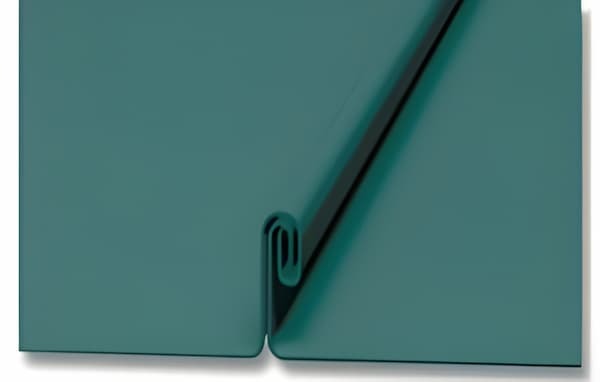
The ML100 1-inch Mechanical Lock panel is a low-profile architectural standing-seam system commonly used on residential and light-commercial buildings. Its mechanically locked seam delivers dependable weather-tight performance. A purpose-built clip system allows the panels to expand and contract naturally. ML100 panels are installed over solid substrates and are available in widths from 12 to 17 inches in 24-gauge and 26-gauge Galvalume steel, 0.032 aluminum, and 16-ounce copper. The system requires a minimum slope of 3:12. See the Roof Anchor Compatibility Chart for Sentrigard ML100 Mechanical Lock Standing Seam Metal Roofing Panels.
Fall Protection For ML100 Panels
- SSRA1 Standing Seam Roof Anchor: Clamps securely to the 24-gauge steel seam without penetrations, creating dependable tie-off points.
- SSRA2 Adjustable Roof Jack Adapters: Mount atop the SSRA1 anchors to support a 10-foot walkboard. These adapters provide adjustable height and roof pitch correction, creating a level surface to keep workers safe and provide a stable area for tools and equipment on steel metal roofs without penetrations.
- SSRA3 Anchor Plate: Used as part of the SSRA HLL kit to allow two workers to move safely along wider roof areas.
- SSRA HLL 100-foot Temporary Horizontal Lifeline Kit: An integrated system for two workers that facilitates safe travel along the panel length.
- Super Anchor 120-foot Permanent Horizontal Lifeline Kit: A year-round solution using non-penetrating aluminum bases and 5-inch riser posts for routine maintenance access.
- Ridge Pro Steep Assist: The required solution for 26-gauge steel, aluminum, and copper versions on pitches from 6:12 to 12:12.
Sentrigard ML150 Mechanical Lock Panel (SSRA Compatible 24 gauge Steel)
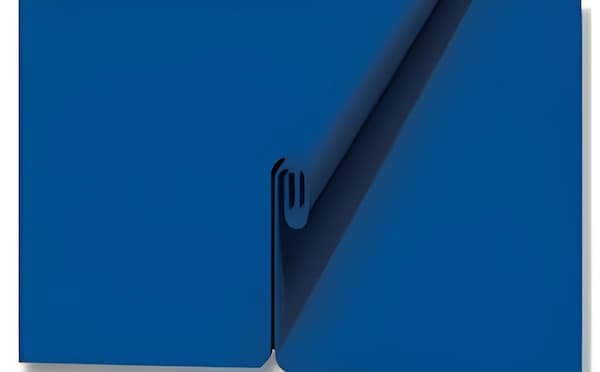
The ML150 Mechanical Lock Panel features a 1.5-inch mechanical lock seam designed for residential and light commercial projects. It offers strong resistance to wind and water while allowing controlled thermal movement through its clip system. Fabricated in widths from 12 to 20 inches, it installs over solid substrates. Material options include 24-gauge and 26-gauge Galvalume, 0.032 aluminum, and 16-ounce copper. The ML150 requires a minimum slope of 1:12. See the Roof Anchor Compatibility Chart for Sentrigard ML150 Mechanical Lock Standing Seam Metal Roofing Panels.
Fall Protection for ML150 Panels
- SSRA1 Standing Seam Roof Anchor: Provides a secure, non-penetrating tie-off point on 24-gauge steel mechanical seams.
- SSRA2 Adjustable Roof Jack Adapters: Mounted on the SSRA1, these adapters support 10-foot walkboards without penetrations. They allow for adjustable height and pitch correction, ensuring workers remain safe on smooth steel finishes while keeping tools and equipment stable on steep slopes.
- SSRA3 Anchor Plates: Serve as the connection point for temporary horizontal lifeline systems.
- SSRA HLL 100-foot Temporary Horizontal Lifeline Kit: Allows up to two workers to move safely across a defined work zone.
- Super Anchor 120-foot Permanent Horizontal Lifeline Kit: Uses non-penetrating aluminum anchor bases and 5-inch riser posts to create a durable maintenance path.
- Ridge Pro Steep Assist: The safest solution for 26-gauge steel, aluminum, or copper panels on slopes between 6:12 and 12:12.
Sentrigard ML200 Mechanical Lock Panel (SSRA Compatible 24 gauge Steel)
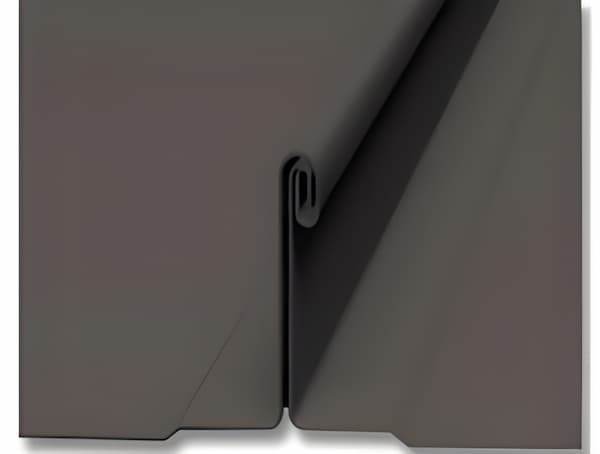
The ML200 is a structural standing-seam roof system designed for demanding commercial environments. It uses a 2-inch mechanically locked seam for added structural strength and weather-tightness. ML200 panels are produced in widths from 12 to 18 inches and are available in 24-gauge and 26-gauge Galvalume, 0.032 aluminum, and 16-ounce copper. With a minimum slope requirement of 0.5:12, it is ideal for low-slope commercial designs. See the Roof Anchor Compatibility Chart for Sentrigard ML200 Mechanical Lock Standing Seam Metal Roofing Panels.
Fall Protection for ML200 Panels
- SSRA1 Standing Seam Roof Anchor: Clamps directly to the 24-gauge mechanical seam to serve as a primary tie-off point.
- SSRA2 Adjustable Roof Jack Adapters: Mount to the SSRA1 to provide a level walkboard platform. With adjustable height and roof pitch settings, they keep workers safe on steep steel roofs and provide a secure staging area for tools and heavy equipment without roof penetrations.
- SSRA3 Anchor Plates: Integrated with SSRA1 anchors to support horizontal lifeline configurations.
- SSRA HLL 100-foot Temporary Horizontal Lifeline Kit: Incorporates SSRA3 plates to provide a 100-foot lifeline for two workers.
- Super Anchor 120-foot Permanent Horizontal Lifeline Kit: Establishes a year-round safety path using non-penetrating bases and riser posts.
- Ridge Pro Steep Assist: Provides the safest anchorage for 26-gauge steel, aluminum, or copper on slopes from 6:12 to 12:12.
Sentrigard SL-100 Snap Lock Panels (SSRA Compatible 24 gauge Steel)
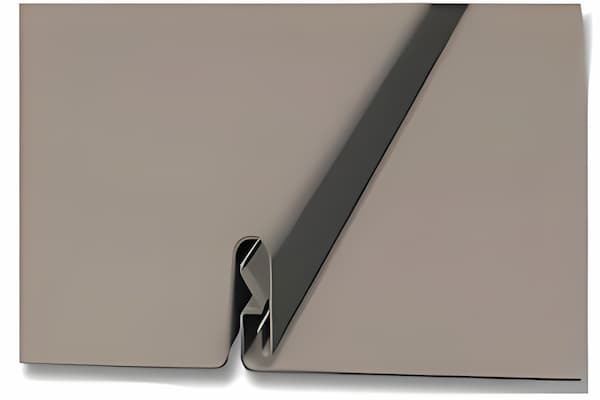
The SL-100 Snap Lock panel is a low-profile architectural system using a 1-inch snap-lock seam. Designed for fast installation and a clean appearance, it features a concealed clip that accommodates thermal movement. SL-100 panels are available in 24-gauge or 26-gauge Galvalume steel and 0.032-inch aluminum, with coverage widths ranging from 12 to 17 inches. The system meets uplift requirements under UL 580 and UL 1897. See the Roof Anchor Compatibility Chart for Sentrigard SL-100 Snap Lock Standing Seam Metal Roofing Panels.
Fall Protection for SL-100 Snap Lock Panels
- SSRA1 Standing Seam Roof Anchor: Clamps to the 24-gauge standing seam without penetrating the panel to protect the snap-lock engagement.
- SSRA2 Adjustable Roof Jack Adapters: Mount on top of SSRA1 anchors to support a 10-foot walkboard. These adapters provide adjustable height and roof-pitch correction, creating a level surface to keep workers safe and provide a stable area for tools and equipment on steel roofs.
- SSRA3 Anchor Plates: Integrate with the SSRA1 anchors for jobs requiring continuous tie-off.
- SSRA HLL 100-foot Temporary Horizontal Lifeline Kit: Allows two workers to move safely along a defined span.
- Super Anchor 120-foot Permanent Horizontal Lifeline Kit: A long-term solution featuring non-penetrating aluminum anchor bases and 5-inch riser posts.
- Ridge Pro Steep Assist: The required option for 26-gauge steel and aluminum on roof slopes from 6:12 to 12:12.
Sentrigard SL-150 Snap Lock Panels (SSRA Compatible 24 gauge Steel)
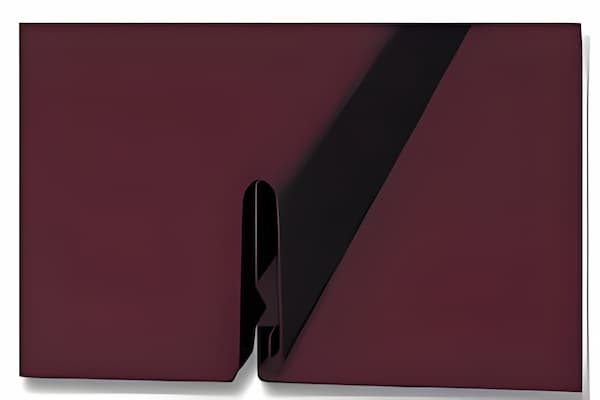
The SL-150 Snap Lock panel is an architectural system featuring a 1.5-inch snap-lock seam. It is produced in coverage widths from 12 to 16 inches and is available in 24-gauge or 26-gauge Galvalume and 0.032 aluminum. The panel is rated for roof slopes as low as 1.5:12. A concealed clip system secures the panels to the substrate, preventing oil canning and seam stress during temperature changes. See the Roof Anchor Compatibility Chart for Sentrigard SL-150 Snap Lock Standing Seam Metal Roofing Panels.
Fall Protection for SL-150 Snap Lock Panels
- SSRA1 Standing Seam Roof Anchor: Provides a secure, non-penetrating tie-off point on 24-gauge steel snap-lock seams.
- SSRA2 Adjustable Roof Jack Adapters: These adapters mount to the SSRA1 to support 10-foot walkboards without penetrations. They provide adjustable height and pitch correction, ensuring workers remain safe on smooth steel finishes and providing a level area for tools.
- SSRA3 Anchor Plates: Used in conjunction with SSRA1 anchors to support lifeline kits.
- SSRA HLL 100-foot Temporary Horizontal Lifeline Kit: Protects two workers navigating the 1.5-inch snap-lock profile.
- Super Anchor 120-foot Permanent Horizontal Lifeline Kit: Relies on non-penetrating aluminum anchor bases to create a durable, permanent tie-off path.
- Ridge Pro Steep Assist: The preferred solution for 26-gauge steel and aluminum on slopes from 6:12 to 12:12.
Sentrigard SL-175 Snap Lock Panels (SSRA Compatible 24 gauge Steel)
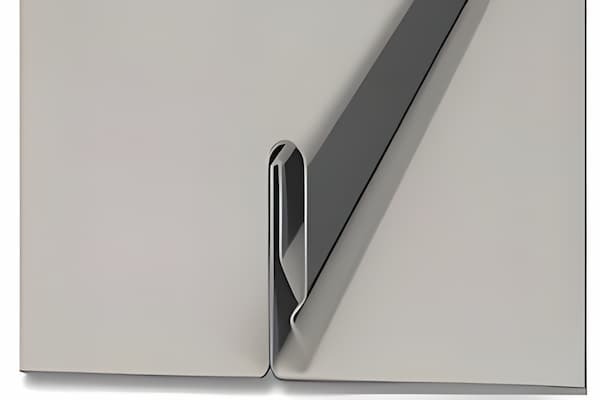
The SL-175 is a structural snap-lock system designed for commercial and residential projects. With a 1.75-inch seam height and widths from 12 to 18 inches, the deeper profile improves wind uplift resistance. It can be installed over solid decking or open framing, up to 4 feet on-center. Sentrigard manufactures the panel in 24-gauge and 26-gauge Galvalume steel and 0.032 aluminum. It carries a minimum slope requirement of 1:12. See the Roof Anchor Compatibility Chart for Sentrigard SL-175 Mechanical Lock Standing Seam Metal Roofing Panels.
Fall Protection For SL-175 Snap Lock Panels
- SSRA1 Standing Seam Roof Anchor: Clamps to the 24-gauge steel structural standing seam, giving crews a reliable attachment point for personal fall arrest.
- SSRA2 Adjustable Roof Jack Adapters: Mount atop the SSRA1 anchors to support walkboards. These adapters provide adjustable height and roof pitch correction, creating a level surface to keep workers safe and provide a stable area for tools and equipment on steel roofs.
- SSRA3 Anchor Plate: Mounts to the SSRA1 system to support temporary horizontal lifelines for multiple workers.
- SSRA HLL 100-foot Temporary Horizontal Lifeline Kit: Facilitates lateral mobility across the SL-175 structural profile.
- Super Anchor 120-foot Permanent Horizontal Lifeline Kit: Ideal for facilities requiring recurring service access without roof penetrations.
- Ridge Pro Steep Assist: The preferred solution for 26-gauge steel, aluminum, and any setup where seam-mounted clamps are not compatible.
Sentrigard NS100 Nail Strip Panels (Ridge Pro Only)
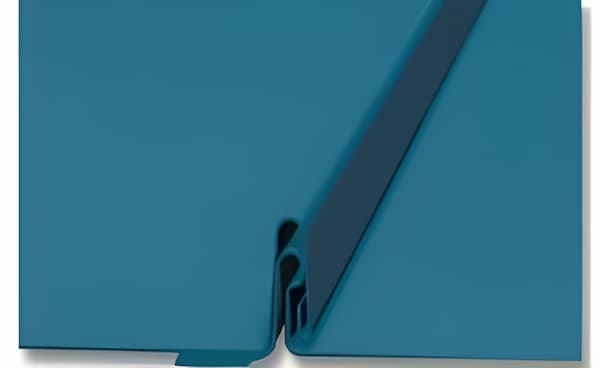
The NS100 Nail Strip panel is a low-profile architectural system using a clipless nail strip design. Installers fasten directly through the concealed nail flange into solid substrates. Panel widths range from 12 to 16 inches with a 1-inch seam height. It carries a minimum slope requirement of 3:12. While economical, the fastener flange design lacks the structural reinforcement required for seam-mounted clamping devices. See the Roof Anchor Compatibility Chart for Sentrigard NS100 Nail Strip Standing Seam Metal Roofing Panels.
Fall Protection For NS100 Nail Strip Panels
The nail strip seam style of the NS100 panel does not allow for the installation of seam-mounted fall protection anchors. SSRA seam anchors are not compatible with this profile.
Sentrigard NS150 Nail Strip Panels (Ridge Pro Only)
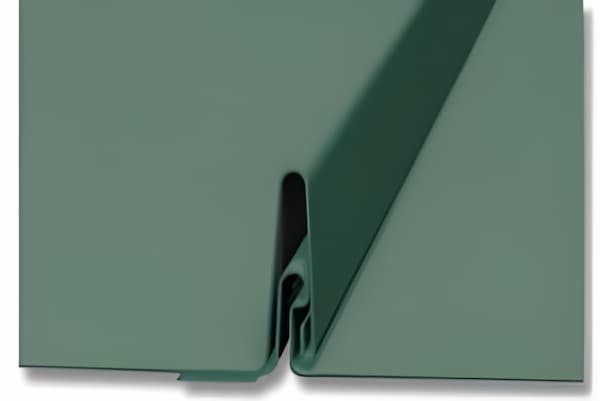
The NS150 Nail Strip panel features a taller 1.5-inch seam height for increased strength and visual definition. It uses a clipless installation method, fastening directly to solid substrates through a hidden nail flange. Panel widths range from 12 to 15 inches with a minimum slope requirement of 1.5:12. Sentrigard produces the NS150 in 24-gauge and 26-gauge Galvalume steel and 0.032 aluminum. See the Roof Anchor Compatibility Chart for Sentrigard NS150 Nail Strip Standing Seam Metal Roofing Panels.
Fall Protection For NS150 Nail Strip Panels
Due to the shape and construction of the nail strip seam, seam-mounted fall-protection anchors are incompatible with the NS150 panel. The concealed fastening flange prevents proper clamping of SSRA-style hardware.
- Ridge Pro Steep Assist: Remains the preferred fall protection option for roofs with pitches between 6:12 and 12:12, providing a secure tie-off point from the ladder to the ridge.
Choosing Confidence: The Value of Certified Safety Equipment
Unbranded, low-cost import anchors may appear similar to name-brand products, but they often lack the rigorous structural testing documentation required by OSHA 1926. By choosing SSRA1 products that ISO 17025-accredited laboratories have meticulously validated to exceed 5,000 pounds of breaking strength, you gain the peace of mind that comes with a proven track record of reliable performance. You can view our complete library of independent laboratory test reports to see the data-driven results that set our safety solutions apart from unverified generic alternatives.
Roof Anchor Panel Compatibility Chart For 24 Gauge Sentrigard Metal Roofing Systems
| ML100 (24 Ga.) | ML150 (24 Ga.) | ML200 (24 Ga.) | SL-100 (24 Ga.) | SL-150 (24 Ga.) | SL-175 (24 Ga.) | |
|---|---|---|---|---|---|---|
SSRA 1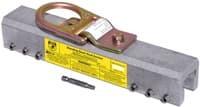 |
NO | NO | NO | NO | NO | NO |
SSRA1 Nylon Tip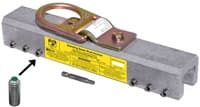 |
YES | YES | YES | YES | YES | YES |
SSRA2 Roof Jack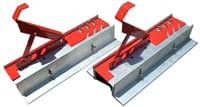 |
YES | YES | YES | YES | YES | YES |
SSRA3 Anchor Plate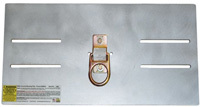 |
YES | YES | YES | YES | YES | YES |
The Ridge Pro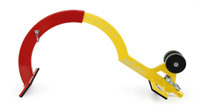 |
YES | YES | YES | YES | YES | YES |
Roof Anchor Panel Compatibility Chart For Sentrigard Metal Roofing Systems
| NS100 Nail Strip | NS150 Nail Strip Panel | |
|---|---|---|
| SSRA 1 |
NO | NO |
| SSRA1 Nylon Tip |
NO | NO |
| SSRA2 Roof Jack |
NO | NO |
| SSRA3 Anchor Plate |
NO | NO |
| The Ridge Pro |
YES | YES |
Contact Us for Expert Standing Seam Fall Protection Advice
For expert guidance on standing-seam roof anchors, lifeline kits, and fall-protection systems that protect both your crew and your panels, contact us today at 863-703-4522 or visit www.StandingSeamRoofAnchor.com. Our safety specialists can help you match the right non-penetrating anchor to your specific roof profile and slope. Let's make your next metal roofing project safe, compliant, and built to last. For continued learning, download OSHA's 48-page Fall Protection Manual and our free Anchor Inspection Form once you've selected the ideal anchors for your roof system. Together, we'll help you stay ahead of OSHA standards while preserving your roof's weather-tight seal.
Safety Tips For Standing Seam Roofs
- Use Specialized Anchor Systems for Standing-Seam Roofs: Standing-seam metal roofs expand and contract with temperature changes. Crews should rely on non-penetrating systems that simultaneously protect the roof and the worker on floating standing-seam roofs.
- Prioritize Ladder Safety Training: Most falls in construction occur before workers even reach the roof. Reviewing proper ladder angles, stabilizing the base, securing the top, and maintaining three points of contact keep workers safe during the climb.
- Equip Workers with High-Quality Safety Gear: Gear that fits correctly changes how workers perform on slippery metal roofs. A properly fitting harness and an SRL, such as the Malta Dynamics Pygmy Hog or Edgehog, allow workers to focus on foot placement rather than second-guessing the equipment.
- Develop OSHA-Compliant Safety Plans: A quality safety plan defines where tie-offs occur, where lifelines run, and who handles rescue. An updated safety plan keeps crews synchronized and avoids confusion when timing matters most.
- Ensure Proper Footwear for Stability: Footwear with solid ankle support and aggressive tread helps workers stay balanced while carrying tools or stepping across steep metal roof areas.
- Encourage the Use of Trauma Straps: Suspension trauma becomes the next hazard after a fall is arrested. Trauma straps allow a worker to stand in their harness and maintain circulation while rescue is underway.
- Set Up Protective Guardrail Barriers for Work Zones: Guardrails provide passive safety by preventing workers from entering hazardous areas around skylights, roof edges, or equipment clusters.
- Install Permanent Roof Anchor Systems: Facilities with HVAC equipment or scheduled maintenance benefit from Super Anchor's permanent systems, which eliminate repeated setup and provide consistent tie-off points.
- Consult Experts for Curved Metal Panels: Curved metal roofs bring anchor connection challenges. A fall-protection professional familiar with curved systems can evaluate the roof and recommend equipment that protects the structural integrity.
- Promote a Culture of Safety: Making safety conversations routine builds predictability into the job and helps everyone leave the site in one piece.
Disclaimer: The views, recommendations, and information presented in this blog are solely those of the author and do not necessarily reflect the opinions or positions of the featured panel manufacturer, its brands, subsidiaries, or parent companies. Customers are strongly encouraged to contact the roof panel manufacturer directly for inquiries regarding fall protection compatibility with their products and to address any potential warranty issues that may arise after installing our products.