

Fall Protection Strategies For Sheffield Standing Seam Roofs
Posted by Howie Scarboro - CEO Fall Protection Distributors, LLC on Mar 19th 2026
See the Roof Anchor Compatibility Chart for Sheffield Metals Standing Seam Metal Roofing.

Who Is Sheffield Metals?
Sheffield Metals has played a significant role in the North American metal roofing world since 1986. The company now operates five strategically positioned plants across the United States and Canada, giving it a broad footprint and the ability to support projects of every size. Their acquisition by Mazzella Companies in 2004 further accelerated that momentum. It strengthened their distribution network, expanded their service capabilities, and reinforced their long-term focus on engineered standing-seam roof systems.
Today, Sheffield Metals is known for producing high-performance standing-seam panels backed by technical expertise, engineering support, and a commitment to quality that has remained steady for decades. Contractors, architects, and building owners rely on these systems because they combine structural integrity with clean architectural lines. Whether the job calls for a traditional profile or a modern aesthetic, Sheffield Metals delivers panels that withstand demanding climates and carry the certifications required for commercial, industrial, and residential construction.
Why Are Non-Penetrating Fall Protection Anchors Critical for Sheffield Standing Seam Roofs?
Working on Sheffield Metals' standing-seam panels requires fall protection systems that match the panel shape, material thickness, and the way the roof systems expand and contract. Traditional through-fastened anchors are never an option because they break the weather-tight seal and jeopardize warranties. The goal is to create a safe, predictable tie-off without drilling into anything, crushing seams, or interfering with the concealed clip system.
The SSRA1 Standing Seam Roof Anchor plays a central role here because it clamps directly to the rib without penetrating the panel. It holds firmly to 22-gauge and 24-gauge steel seams and provides crews with a strong single-point anchor they can trust as they move across the roof. Once that first anchor is in place, safety managers can build out the rest of the system as the project demands:
- SSRA1 Standing Seam Roof Anchor: A universal non-penetrating anchor that attaches to the seam using 12 stainless-steel set screws, providing a 5,000-pound certified tie-off point without drilling.
- SSRA2 Adjustable Roof Jack Adapters: Adapters that mount to SSRA1 anchors to support a 2x10 walk board, allowing workers to stand on a level surface on steep-slope roofs.
- SSRA3 Anchor Plate: A heavy-duty aluminum plate that spans two SSRA1 anchors to create a certified attachment point for horizontal lifeline systems.
- SSRA HLL 100-foot Temporary Horizontal Lifeline Kit: A complete, portable lifeline system for up to two workers that allows safe lateral movement across wide roof sections without panel penetrations.
- Super Anchor 120-foot Permanent Horizontal Lifeline Kit: A long-term safety solution featuring galvanized steel cables and non-penetrating riser posts for facilities requiring frequent maintenance access.
- Ridge Pro Steep Assist Anchor: A ridge-mounted anchorage device that hooks over the peak to provide safe vertical lifeline access on pitches from 6:12 to 12:12.
Proper Attachment: Set-Screws and Torque Requirements
- Cupped-Tip Stainless Steel Set-Screws: Use these screws exclusively on 22-gauge steel panels. Torque these screws to 90 inch-pounds.
- Nylon-Tipped Set-Screws: Apply these tips to 22-gauge or 24-gauge steel panels to achieve certified holding power without marking the finish. Torque these screws to 180-200 inch-pounds.
- Maintenance: Treat nylon tips as consumables. Replace these tips every 3 to 5 uses to maintain maximum grip strength.
CRITICAL WARNING: NO IMPACT GUNS
Never use an impact gun to install set-screws. Over-torquing with an impact driver crushes the standing-seam rib, causing permanent panel deformation and compromising the anchor's certified holding power. This error damages the anchor hardware, compromises worker safety, and voids Sheffield Metals' manufacturer's warranty. Always use a calibrated torque wrench for final installation.
Sheffield Metals SMI 1.0 Mechanical Seam Panel (SSRA Compatible 22/24 gauge Steel)

The SMI 1.0 MS panel from Sheffield Metals is a mechanically seamed profile built for strength, longevity, and design flexibility. Produced in 22-gauge or 24-gauge steel or aluminum, it has a finished width of 17 inches and a 1-inch vertical rib. This profile suits residential and commercial projects where a crisp architectural line and dependable performance matter. It installs on roofs with a 3:12 or greater slope and meets UL 580, UL 1897, and UL 90 uplift ratings. It also holds Florida Building Code approval for non-High Velocity Hurricane Zone (HVHZ) work. See the Roof Anchor Compatibility Chart for Sheffield Metals 22 Gauge and 24 Gauge SMI 1.0 Mechanical Standing Seam Metal Roofing.
Fall Protection for SMI 1.0 MS Panels
- SSRA1 Standing Seam Roof Anchor: Clamps directly to the 22-gauge or 24-gauge steel seam without penetrating the panel, providing a secure tie-off point.
- SSRA2 Adjustable Roof Jack Adapters: Mount atop the SSRA1 anchors to support a 2x10 walkboard. These adapters provide adjustable height and roof-pitch correction, creating a level surface to keep workers safe and provide a stable area for tools and equipment on steel roofs.
- SSRA3 Anchor Plate: Spans two SSRA1 anchors to create the attachment point for horizontal lifeline systems.
- SSRA HLL 100-foot Temporary Horizontal Lifeline Kit: Allows two workers to stay tied off across the panel run without repositioning anchors.
- Super Anchor 120-foot Permanent Horizontal Lifeline Kit: A long-term solution that uses non-penetrating aluminum bases and 5-inch riser posts to protect recurring maintenance crews.
- Ridge Pro Steep Assist: The preferred option for aluminum versions and all steel panels on 6:12 to 12:12 pitches, hooking over the peak to avoid seam contact.
Sheffield Metals SMI 1.5 Mechanical Seam Panel (SSRA Compatible 22/24 gauge Steel)

The SMI 1.5 MS panel by Sheffield Metals offers a strong mechanical-seam profile with a 1.5-inch seam height and a consistent 16-inch panel width. Contractors can order this profile in 22-gauge or 24-gauge steel or aluminum. This blend of strength and versatility makes it a popular choice for residential and commercial projects alike. See the Roof Anchor Compatibility Chart for Sheffield Metals 22 Gauge and 24 Gauge SMI 1.5 Mechanical Standing Seam Metal Roofing.
Fall Protection for SMI 1.5 MS Panels
- SSRA1 Standing Seam Roof Anchor: Provides a non-penetrating, high-strength tie-off point on 22-gauge or 24-gauge steel seams.
- SSRA2 Adjustable Roof Jack Adapters: Mounted on the SSRA1, these adapters support 2x10 walkboards without penetrations. They allow for adjustable height and pitch, ensuring workers remain safe on smooth steel finishes while keeping tools and equipment from sliding.
- SSRA3 Anchor Plates: Enable the deployment of temporary horizontal lifelines between two anchor points.
- SSRA HLL 100-foot Temporary Horizontal Lifeline Kit: Facilitates lateral mobility for up to two workers along the 1.5-inch mechanical seam.
- Super Anchor 120-foot Permanent Horizontal Lifeline Kit: Provides a year-round safety path for facilities requiring frequent rooftop maintenance.
- Ridge Pro Steep Assist: The recommended solution for aluminum panels and 6:12 to 12:12 slopes, preserving the weather-tight finish.
Sheffield Metals SMI 2.0 Mechanical Seam Panel (SSRA Compatible 22/24 gauge Steel)

The SMI 2.0 MS panel features a 2-inch-tall mechanical seam that provides the strength needed for more demanding architectural layouts. Steel versions are 18 inches wide, while aluminum versions are 16 inches wide to help maintain rigidity. Sheffield offers this profile in 22-gauge and 24-gauge steel as well as 0.040 aluminum. Each option installs on a minimum 2:12 slope and carries UL 580, UL 1897, and UL 90 uplift approvals. See the Roof Anchor Compatibility Chart for Sheffield Metals 22 Gauge and 24 Gauge 2.0 Mechanical Standing Seam Metal Roofing.
Fall Protection for SMI 2.0 MS Panels
- SSRA1 Standing Seam Roof Anchor: Acts as the primary base connection for tie-offs on 22-gauge or 24-gauge steel structural seams.
- SSRA2 Adjustable Roof Jack Adapters: These adapters mount to the SSRA1 to provide a level walkboard platform. With adjustable height and roof pitch settings, they keep workers safe on steep steel roofs and provide a secure staging area for tools and heavy equipment without roof penetrations.
- SSRA3 Anchor Plates: Provide the structural base required for temporary horizontal lifeline systems.
- SSRA HLL 100-foot Temporary Horizontal Lifeline Kit: Protects two workers as they navigate the bold 2-inch mechanical-lock surface.
- Super Anchor 120-foot Permanent Horizontal Lifeline Kit: Delivers superior fall protection for multiple maintenance workers without roof penetrations.
- Ridge Pro Steep Assist: The required anchor for aluminum panels and 6:12 to 12:12 pitches, providing a secure tie-off at the peak.
Sheffield Metals SMI 2.0 MS Armco Panel (SSRA Compatible 22/24 gauge Steel)

The SMI 2.0 MS Armco panel delivers a strong mechanical-seam solution built for a long service life. It features a 2-inch seam height and a standard 16-inch panel width, providing designers with a dependable structural profile. With 22-gauge and 24-gauge steel substrates and a minimum slope of 2:12, the panel effectively sheds water. See the Roof Anchor Compatibility Chart for Sheffield Metals 22 Gauge and 24 Gauge SMI 2.0 Armco Mechanical Standing Seam Metal Roofing.
Fall Protection for SMI 2.0 MS Armco Panels
- SSRA1 Standing Seam Roof Anchor: Clamps to the Armco rib on 22-gauge or 24-gauge steel to provide a non-penetrating tie-off.
- SSRA2 Adjustable Roof Jack Adapters: Mount on top of SSRA1 anchors to support a 2x10 walkboard. These adapters adjust for both seam height and roof pitch, creating a level footing that keeps workers safe on steel metal roofs while providing a stable surface for tools.
- SSRA3 Anchor Plates: Spans two SSRA1 anchors to create a certified attachment point for horizontal lifelines.
- SSRA HLL 100-foot Temporary Horizontal Lifeline Kit: Provides two workers with secure mobility across the commercial or residential span.
- Super Anchor 120-foot Permanent Horizontal Lifeline Kit: Offers a durable, year-round safety path using non-penetrating aluminum riser posts.
- Ridge Pro Steep Assist: The preferred option for aluminum Armco panels and 6:12 to 12:12 pitches to avoid seam-clamp loads.
Sheffield Metals SMI 2.0 SCH Mechanical Seam Panel (SSRA Compatible 22/24 gauge Steel)

The SMI 2.0 SCH MS panel adds a distinctive profile to the Sheffield Metals lineup, spanning 18-3/4 inches and featuring a seam height of 1-13/16 inches. Fabricators offer it in 22-gauge and 24-gauge steel for installation on slopes as low as 2:12. The combination of sturdy steel substrates and a tightly locked mechanical seam helps the panel maintain its weather-tight finish over decades of service. See the Roof Anchor Compatibility Chart for Sheffield Metals 22 Gauge and 24 Gauge SMI 2.0 SCH Mechanical Standing Seam Metal Roofing.
Fall Protection for SMI 2.0 SCH MS Panels
- SSRA1 Standing Seam Roof Anchor: Attaches to the SCH mechanical seam without drilling to create high-strength tie-off points.
- SSRA2 Adjustable Roof Jack Adapters: Mount to the SSRA1 to support a 2x10 walkboard. These adapters provide adjustable height and pitch correction, keeping workers safe on steel metal roofs and ensuring tools and equipment stay in place on steep slopes.
- SSRA3 Anchor Plates: Expand a pair of SSRA1 anchors into a system that protects two workers at once.
- SSRA HLL 100-foot Temporary Horizontal Lifeline Kit: Enables two workers to move safely along a designated 100-foot span.
- Super Anchor 120-foot Permanent Horizontal Lifeline Kit: Creates a durable, fixed safety route for maintenance teams using non-penetrating 5-inch riser posts.
- Ridge Pro Steep Assist: The required solution for aluminum SCH panels and 6:12 to 12:12 slopes to protect the panel finish.
Sheffield Metals SMI 1.5 SnapLock 450+ Panel (SSRA Compatible 22/24 gauge Steel)

The SMI 1.5 SL 450+ panel is a fast, dependable option for steep or moderate slopes. It is available in 22-gauge and 24-gauge steel, formed to a 1.5-inch seam height with a consistent 16-inch panel width. It installs on slopes of 3:12 and greater. Because the seams lock without mechanical seaming, it is ideal for residential and light-commercial builds where appearance and speed are priorities. See the Roof Anchor Compatibility Chart for Sheffield Metals 22 Gauge and 24 Gauge SMI 1.5 SL 450+ Standing Seam Metal Roofing.
Fall Protection for SMI 1.5 SnapLock 450+ Panels
- SSRA1 Standing Seam Roof Anchor: Pairs smoothly with 22-gauge or 24-gauge steel SL 450+ seams for non-penetrating single-user tie-offs.
- SSRA2 Adjustable Roof Jack Adapters: Build a level walkboard on steep pitches by mounting directly to the SSRA1 anchors. These adapters feature adjustable height and pitch to keep workers safe on smooth steel finishes and provide a secure area for tools without roof penetrations.
- SSRA3 Anchor Plates: Provide the foundation for temporary horizontal lifeline travel along the 16-inch-wide panel.
- SSRA HLL 100-foot Temporary Horizontal Lifeline Kit: Establishes a two-person work zone for installation or inspection.
- Super Anchor 120-foot Permanent Horizontal Lifeline Kit: The best option for buildings requiring a permanent, galvanized steel lifeline path.
- Ridge Pro Steep Assist: A dependable ridge-mounted option for aluminum versions and all panels on 6:12 to 12:12 pitches.
Sheffield Metals 1.5 SnapLock 450 Panel (SSRA Compatible 22/24 gauge Steel)

The 450 SL panel is a versatile snap-lock profile with a 1.5-inch seam height and a 16-inch panel width. It is available in 22-gauge and 24-gauge steel and installs on slopes with a 3:12 or greater slope. As a proper snap-lock system, it requires no mechanical seaming equipment, which keeps installation fast while delivering a clean, reliable finish for residential and commercial designs. See the Roof Anchor Compatibility Chart for Sheffield Metals 22 Gauge and 24 Gauge 450 Standing Seam Metal Roofing.
Fall Protection for 1.5 SnapLock 450 Panels
- SSRA1 Standing Seam Roof Anchor: Attaches directly to the 22-gauge or 24-gauge seam without penetrating the roof, providing a high-strength tie-off point.
- SSRA2 Adjustable Roof Jack Adapters: Mount to two SSRA1 anchors to support a 2x10 walkboard. These adapters offer adjustable height and pitch, providing a level surface that keeps workers safe on steel roofs and securely holds tools and equipment.
- SSRA3 Anchor Plates: Expand the system capabilities for continuous horizontal mobility along the panel run.
- SSRA HLL 100-foot Temporary Horizontal Lifeline Kit: Protects two workers on longer spans without roof penetrations.
- Super Anchor 120-foot Permanent Horizontal Lifeline Kit: Provides a year-round safety solution for maintenance and service crews.
- Ridge Pro Steep Assist: Hooks over the ridge to provide a secure tie-off for 6:12 to 12:12 pitches, protecting the snap-lock system.
Sheffield Metals SMI 1.0 Fastener Flange Snaplock Panel (Ridge Pro Only)

The SMI 1.0 Fastener Flange Snaplock panel uses a nail flange attachment system that allows it to fasten directly to a plywood deck without clips. It comes in a 16-inch panel width with a 1-inch seam height in 22-gauge or 24-gauge steel. It requires a minimum 3:12 slope. While it provides a clean architectural look, it lacks the structural reinforcement needed for clamp-style anchorage. See the Roof Anchor Compatibility Chart for Sheffield Metals SMI 1.0 Fastener Flange Standing Seam Metal Roofing.
Fall Protection for SMI 1.0 Fastener Flange Snaplock Panels
Nailstrip and fastener-flange profiles vary slightly from machine to machine; therefore, SSRA products are not compatible with this panel.
Sheffield Metals SMI 1.5 Fastener Flange Snaplock Panel (Ridge Pro Only)

The SMI 1.5 Fastener Flange Snaplock panel measures 14.75 inches in width and uses a 1.5-inch seam height. Offered in 22-gauge and 24-gauge steel, this profile installs on a minimum 3:12 slope and fastens directly to the deck through a hidden nail flange. See the Roof Anchor Compatibility Chart for Sheffield Metals SMI 1.5 Fastener Flange Standing Seam Metal Roofing.
Fall Protection for SMI 1.5 FF Panels
Fastener flange seams do not provide the structural rigidity required for seam-mounted clamping devices.
Sheffield Metals SMI 1.5 SnapLock 550 Panel (Ridge Pro Only)

Sheffield's SMI 1.5 SnapLock 550 panel delivers a clean, bold appearance with nearly one-half-inch wide finished seams. Panel widths range from 15 to 19 inches on steel or aluminum substrates, with a 1.5-inch seam height. The minimum recommended slope is 2:12. Snaplock profiles install quickly and are popular for efficient commercial and residential systems. See the Roof Anchor Compatibility Chart for Sheffield Metals SMI 1.5 SnapLock 550 Standing Seam Metal Roofing.
Fall Protection for SMI 1.5 SL550 Panels
The finished seam shape on the SL550 does not accommodate seam-mounted anchors; therefore, the SSRA1, SSRA2, and SSRA3 systems are incompatible with it.
Sheffield Metals SMI 1.75 SnapLock Panel (Ridge Pro Only)

The SMI 1.75 SL panel delivers a clean, modern standing-seam look with a structural backbone. Produced in 16 and 18-inch widths using 22-gauge or 24-gauge steel, it meets UL 580 and UL 1897 uplift requirements. With a 1.75-inch seam height, it passes TAS 100 for wind-driven rain, making it an excellent choice for coastal regions. See the Roof Anchor Compatibility Chart for Sheffield Metals SMI 1.75 SnapLock Standing Seam Metal Roofing.
Fall Protection for SMI 1.75 SL Panels
The shape of this specific snaplock seam rules out the SSRA line of anchors. Clamp-style devices risk damaging the lock and compromising weather performance.
- Ridge Pro Steep Assist: The best anchor option for the 1.75 SL panel. It hooks over the ridge on 6:12- to 12:12-slope roofs to preserve the seam shape and maintain a weather-tight joint.
Prioritizing Performance: The Risks of Unverified Generic Anchors
While unbranded, low-cost import anchors may appear similar to certified hardware, they often lack the rigorous structural testing required to meet strict American safety standards. By selecting safety solutions that have been meticulously validated by ISO 17025-accredited laboratories to exceed a 5,000-pound breaking strength, you ensure every connection point on a Sheffield Metals roof is a point of absolute confidence. You can view our complete library of independent laboratory test reports to see the data-driven results that separate our professional-grade hardware from dangerous, unverified substitutes.
Standing Seam Roof Anchor Compatibility for Sheffield Metals 22 Gauge Panels
| SMI-1.0 (22 Ga.) | SMI-1.5 (22 Ga.) | SMI-2.0 (22 Ga.) | SMI-2.0 Armco (22 Ga.) | SMI-2.0 SCH (22 Ga.) | SMI 450+ (22 Ga.) | 450 SL (22 Gauge) | |
|---|---|---|---|---|---|---|---|
SSRA 1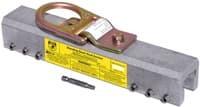 |
YES | YES | YES | YES | YES | YES | YES |
SSRA1 Nylon Tip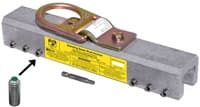 |
YES | YES | YES | YES | YES | YES | YES |
SSRA2 Roof Jack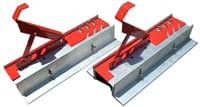 |
YES | YES | YES | YES | YES | YES | YES |
SSRA3 Anchor Plate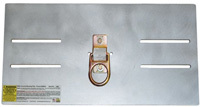 |
YES | YES | YES | YES | YES | YES | YES |
The Ridge Pro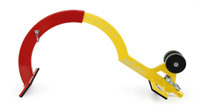 |
YES | YES | YES | YES | YES | YES | YES |
Standing Seam Roof Anchor Compatibility for Sheffield Metals 24 Gauge Panels
| SMI-1.0 (24 Ga.) | SMI-1.5 (24 Ga.) | SMI-2.0 (24 Ga.) | SMI-2.0 Armco (24 Ga.) | SMI-2.0 SCH (24 Ga.) | SMI 450+ (24 Ga.) | 450 SL (24 Gauge) | |
|---|---|---|---|---|---|---|---|
| SSRA 1 |
NO | NO | NO | NO | NO | NO | NO |
| SSRA1 Nylon Tip |
YES | YES | YES | YES | YES | YES | YES |
| SSRA2 Roof Jack |
YES | YES | YES | YES | YES | YES | YES |
| SSRA3 Anchor Plate |
YES | YES | YES | YES | YES | YES | YES |
| The Ridge Pro |
YES | YES | YES | YES | YES | YES | YES |
Standing Seam Roof Anchor Compatibility for Sheffield Metal Panels
| SMI 1.0 Fastener Flange | SMI 1.5 Fastener Flange | SMI 1.5 SnapLock 550 | SMI 1.75 SnapLock | |
|---|---|---|---|---|
| SSRA 1 |
NO | NO | NO | NO |
| SSRA1 Nylon Tip |
NO | NO | NO | NO |
| SSRA2 Roof Jack |
NO | NO | NO | NO |
| SSRA3 Anchor Plate |
NO | NO | NO | NO |
| The Ridge Pro |
YES | YES | YES | YES |
Contact Us for Expert Standing Seam Fall Protection Advice
For expert guidance on standing-seam roof anchors, lifeline kits, and fall-protection systems that protect both your crew and your panels, contact us today at 863-703-4522 or visit www.StandingSeamRoofAnchor.com. Our safety specialists can help you match the right non-penetrating anchor to your specific roof profile and slope. Let's make your next metal roofing project safe, compliant, and built to last. For continued learning, download OSHA's 48-page Fall Protection Manual and our free Anchor Inspection Form once you've selected the ideal anchors for your roof system. Together, we'll help you stay ahead of OSHA standards while preserving your roof's weather-tight seal.
Safety Tips For Standing Seam Roofs
- Equip Workers with High-Quality Safety Gear: A harness tightened correctly, leg straps checked before the first step, and SRLs like the Malta Dynamics Pygmy Hog or Edgehog tested for smooth retraction set the tone for the entire day. When the gear feels right, workers move better and stay alert.
- Promote a Culture of Safety: The safest days usually start with a conversation, not a tool. A quick talk on changing weather, tricky access points, and hazardous areas on Sheffield Metals panels often prevents the little surprises that derail a job.
- Use Specialized Anchor Systems for Standing Seam Roofs: Sheffield mechanical-lock and snaplock profiles rely on hidden clips and engineered seams that need to move. Seam-mounted anchors, such as the SSRA1, protect the panels and prevent seam crushing on compatible steel gauges.
- Ensure Proper Footwear for Stability: Smooth, factory-finished metal demands the proper boots. Slip-resistant soles, ankle support, and fresh tread help roofers stay steady during early-morning dew or long transitions between tie-off points.
- Prioritize Ladder Safety Training: Most falls occur before anyone reaches the standing-seam roof. Workers who inspect rungs, confirm solid footing, set the ladder at a 4:1 ratio, and tie it off at the top dramatically reduce ladder risks.
- Encourage the Use of Trauma Straps: A fall arrest stops the fall, but suspension trauma starts counting down immediately. Trauma straps let the worker stand and maintain circulation until the rescue plan is in motion.
- Install Permanent Roof Anchor Systems: Large commercial buildings finished with Sheffield profiles often see repeated rooftop activity. A permanent horizontal lifeline system eliminates the scrambling and re-rigging that come with temporary anchors.
- Set Up Protective Guardrail Barriers for Work Zones: Guardrails give crews a clear boundary around openings, skylights, staging areas, or roof edges. They create predictable paths on wide Sheffield roofs where people and material shift throughout the day.
- Develop OSHA-Compliant Safety Plans: A good safety plan spells out where tie-offs begin, how temporary lifelines will run across Sheffield panel layouts, and who steps in if a rescue is needed.
- Consult Experts for Curved Metal Panels: Curved panels behave differently under load, making fall protection strategies for curved roofs far more complex. A specialist should review the roof and attachment options before anyone climbs to avoid warranty issues or crushed seams.
Disclaimer: The views, recommendations, and information presented in this blog are solely those of the author and do not necessarily reflect the opinions or positions of the featured panel manufacturer, its brands, subsidiaries, or parent companies. Customers are strongly encouraged to contact the roof panel manufacturer directly for inquiries regarding fall protection compatibility with their products and to address any potential warranty issues that may arise after installing our products.