Fall Protection Strategies For ASP Standing Seam Roofs
Posted by Howie Scarboro - CEO Fall Protection Distributors, LLC on Jan 26th 2026
See the Roof Anchor Compatibility Chart for Architectural Sheetmetal Products, Inc. (ASP) Standing Seam Panels.

Who Is ASP - Architectural Sheetmetal Products, Inc.?
Architectural Sheetmetal Products, Inc. (ASP) has been a respected leader in the metal roofing industry since 1980. Based in Scotia, New York, ASP specializes in metal standing seam roofing, wall and soffit panels, and various metal accessories tailored for commercial, industrial, and residential applications. Their expansive 25,000-square-foot facility in upstate New York allows for precision manufacturing and high-level customization.
ASP’s product lineup features sustainable solutions, including ENERGY STAR® certified cool metal roofing and specialty coatings like the TRINAR® system on their 24-gauge SpectraLume© panels. They offer a diverse material selection beyond standard Galvalume®, including aluminum (.032, .040), 16 oz. and 20 oz. copper, Freedom Gray copper, zinc, and stainless steel. With on-site roll-forming capabilities, ASP can produce panels over 45 feet long, making them a trusted resource for large-scale Northeast projects.
Why Non-Penetrating Anchors are Critical for ASP Roofs
The SSRA1 Seam Anchor provides a patented, non-invasive tie-off solution for worker safety. This high-strength aluminum anchor clamps directly to the standing seam, providing a certified 5,000-lb tie-off point without using screws or nails that puncture the roof surface. Using non-penetrating anchors ensures that ASP roofs maintain their weathertight design and avoid leaks that could void a manufacturer's weathertightness warranty.
Proper Attachment: Set Screws and Torque Requirements
The safety of the SSRA1 system relies on precise installation. We offer two types of set screws based on the specific material gauge:
- Nylon-Tipped Screws: These are the most effective for locking onto 24-gauge seams. These require a torque setting of 180-200 inch-pounds.
- Stainless Steel Cup Point Screws: Use these 22-gauge steel. These require a torque setting of 90 inch-pounds.
CRITICAL WARNING: Never use an impact gun to install SSRA1 set screws. Over-torquing with an impact driver can crush the standing seam, damage the anchor hardware, and potentially void the roof warranty. Always use a calibrated torque wrench.
The SSRA Component System & Expansion Tools
The SSRA line serves as a professional-grade modular platform, allowing the SSRA1 to adapt to various job site needs:
- SSRA2 Adjustable Roof Jack Adapter: These adapters mount directly to the SSRA1 to support 10-foot walkboards. They are fully adjustable for both roof pitch and seam height, providing a level, stable work surface.
- SSRA3 Anchor Plates: These serve as heavy-duty anchor points for horizontal lifeline systems, providing the mounting interface needed to support multiple users.
- The Ridge Pro Steep Assist: For projects on slopes between 6:12 and 12:12, the Ridge Pro hooks over the peak to provide a secure tie-off point. This is the required choice for lighter 26-gauge and 29-gauge panels.
Fall Protection Kits
We provide targeted kits for projects requiring extended mobility and permanent safety:
- 100-Foot SSRA HLL Kit: Includes the components to set up a 100-foot non-penetrating temporary horizontal lifeline using SSRA1 anchors and SSRA3 plates.
- 120-Foot Super Anchor Permanent HLL Kit: A heavy-duty solution for permanent horizontal safety installations.
ASP ML-100 Mechanical Panel (SSRA Compatible 22/24-Gauge Steel)

The ASP ML-100 features a 1-inch mechanical lock profile designed for architectural applications over solid decks. ASP produces the ML-100 in 17-inch and 21-inch widths. The panel is standard in 24-gauge Galvalume steel, with a 22-gauge option, as well as aluminum and copper. See the Roof Anchor Compatibility Chart for Architectural Sheetmetal Products, Inc. (ASP) 22 Gauge and 24 Gauge ML-100 MechanicalStanding Seam Panels.
Fall Protection for ML-100 Panel: For 22 and 24-gauge steel ML-100 panels, the SSRA1 Seam Anchor provides the primary 5,000-lb tie-off point. This panel supports the SSRA2 Adjustable Roof Jack Adapter for 10-foot walkboards and the SSRA3 Anchor Plate for horizontal lifeline termination. This profile is fully compatible with the 100-Foot SSRA HLL Kit and the 120-Foot Super Anchor Permanent HLL Kit. For aluminum or copper versions, use The Ridge Pro Steep Assist for slopes between 6:12 and 12:12.
ASP ML-150 Mechanical Panel (SSRA Compatible 22/24-Gauge Steel)

The ASP ML-150 offers a taller 1.5-inch mechanical lock seam. It is available in 12-, 16-, 18-, and 20-inch widths. Like the ML-100, it is fabricated from 24-gauge Galvalume steel (standard) or 22-gauge steel, aluminum, and copper. See the Roof Anchor Compatibility Chart for Architectural Sheetmetal Products, Inc. (ASP) 22 Gauge and 24 Gauge ML-150 MechanicalStanding Seam Panels.
Fall Protection for ML-150 Panel: Steel ML-150 panels in 22 or 24-gauge are fully compatible with the SSRA1 Seam Anchor, the SSRA2 Adjustable Roof Jack Adapter, and the SSRA3 Anchor Plate. This allows for the secure deployment of the 100-Foot SSRA HLL Kit and the 120-Foot Super Anchor Permanent HLL Kit. If the panel material is aluminum or copper, the Ridge Pro Steep Assist is the recommended alternative for pitches between 6:12 and 12:12.
ASP ML-200 Mechanical Panel (SSRA Compatible 22/24-Gauge Steel)

The ML-200 features a robust 2-inch high mechanical seam profile. It comes in 14-inch, 16-inch, and 18-inch widths and can be factory-formed or roll-formed on-site. ASP crafts this panel from 24-gauge Galvalume steel (standard), 22-gauge Galvalume, aluminum, or copper. This structural panel allows for installation directly over purlins and performs on slopes as low as 1/2:12. See the Roof Anchor Compatibility Chart for Architectural Sheetmetal Products, Inc. (ASP) 22 Gauge and 24 Gauge ML-200 MechanicalStanding Seam Panels.
Fall Protection for ML-200 Panel: The SSRA1 Seam Anchor attaches directly to the 2-inch standing seam on 22 and 24-gauge steel. This structural profile provides exceptional stability for the SSRA2 Adjustable Roof Jack Adapter and the SSRA3 Anchor Plate. The ML-200 fully supports both the 100-Foot SSRA HLL Kit and the 120-Foot Super Anchor Permanent HLL Kit. For aluminum or copper substrates, use The Ridge Pro Steep Assist on pitches between 6:12 and 12:12.
ASP SL-150 Snaplock Panel (SSRA Compatible 24-Gauge Steel)
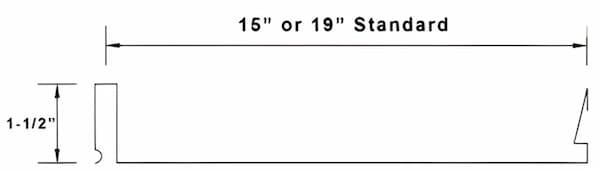
ASP manufactures the SL-150 with a 1.5-inch snap-lock seam profile and a concealed clip attachment. It is standard in 15-, 16-, and 19-inch widths. ASP fabricates this profile from 24-gauge Galvalume steel and aluminum. See the Roof Anchor Compatibility Chart for Architectural Sheetmetal Products, Inc. (ASP) SL-150 Snaplock Standing Seam Panels.
Fall Protection for SL-150 Panel: For the SL-150 panel in 24-gauge steel, the SSRA1 Seam Anchor provides a secure, non-penetrating tie-off point. This profile accommodates the SSRA2 Adjustable Roof Jack Adapter for stable walkboard placement and the SSRA3 Anchor Plate for lifeline setups. It is compatible with the 100-Foot SSRA HLL Kit and the 120-Foot Super Anchor Permanent HLL Kit. For aluminum versions, utilize The Ridge Pro Steep Assist on slopes between 6:12 and 12:12.
ASP SL-175 Snaplock Panel (SSRA Compatible 24-Gauge Steel)
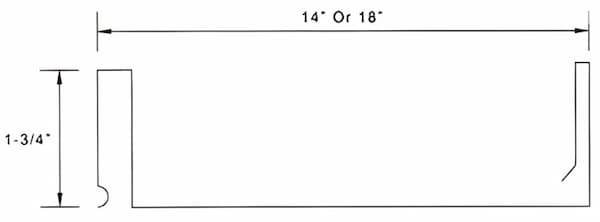
The SL-175 is designed for architectural or structural applications. It features a bold 1.75-inch high snap-lock profile and is available in 14-, 16-, and 18-inch widths. It is constructed from 24-gauge Galvalume steel, aluminum and copper are also available. See the Roof Anchor Compatibility Chart for Architectural Sheetmetal Products, Inc. (ASP) SL-175 Snaplock Standing Seam Panels.
Fall Protection for SL-175 Panel: Steel SL-175 panels in 24-gauge support the full SSRA lineup, including the SSRA1 Seam Anchor, SSRA2 Adjustable Roof Jack Adapter, and SSRA3 Anchor Plate. These components enable the use of the 100-Foot SSRA HLL Kit and the 120-Foot Super Anchor Permanent HLL Kit. For aluminum substrates, the Ridge Pro Steep Assist provides peak-mounted protection for 6:12 to 12:12 slopes.
ASP QuickSnap 16 Panel (Ridge Pro Only)
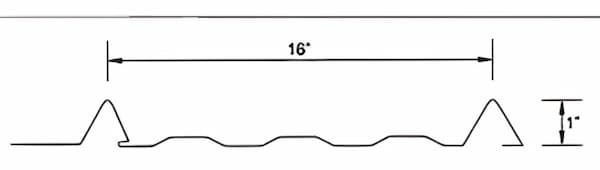
ASP crafts the QuickSnap 16 from 29-gauge AZ-50 Galvalume steel. This 16-inch wide panel features a snap-lock seam and a patented anti-siphon design. See the Roof Anchor Compatibility Chart for Architectural Sheetmetal Products, Inc. (ASP) QuickSnap 16 Standing Seam Panels.
Fall Protection for QuickSnap 16: Because 29-gauge steel is too light to safely support SSRA clamping products, the Ridge Pro Steep Assist is the required solution for non-penetrating safety on slopes from 6:12 to 12:12. This peak-mounted anchor ensures worker safety without putting stress on the light-gauge standing seam.
ASP SL-100 Nailstrip Panel (Ridge Pro Only)
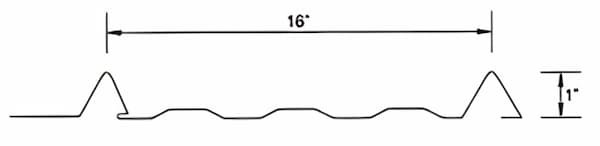
The SL-100 utilizes a 1-inch snap-lock seam and a nail strip/nailing fin attachment. It comes in 16-inch and 20-inch standard widths and is constructed from 24-gauge Galvalume steel. See the Roof Anchor Compatibility Chart for Architectural Sheetmetal Products, Inc. (ASP) SL-100 Nailstrip Standing Seam Panels.
Fall Protection for SL-100 Panel: The Ridge Pro Steep Assist is the recommended fall protection anchor to protect the SpectraLume finish and ensure OSHA compliance without drilling into the panel surface or attempting to clamp the nailstrip seam, which is not designed for SSRA1 loads.
ASP SBLC-100 Snap-on Batten Panel (Requires Inspection by Safety Expert)
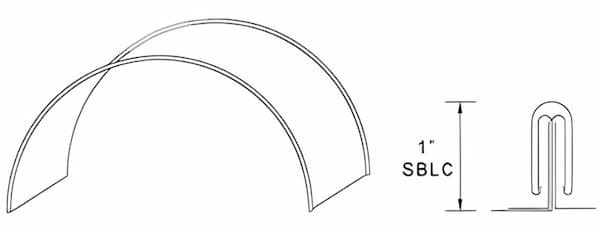
This 1-inch batten seam panel is available in 12-inch and 16-inch widths. It is primarily used for barrel and concave roof projects and can be field curved to a 9-foot radius in steel. Material options include 24-gauge steel, aluminum, and copper. See the Roof Anchor Compatibility Chart for Architectural Sheetmetal Products, Inc. (ASP) SBLC-100 Snap-on Batten Standing Seam Panels.
Fall Protection for SBLC-100 Panel: Curved roof systems require advanced fall protection training and on-site inspections. Clamping to a snap-on batten is never recommended for fall arrest.
ASP MLC-100 Curved Mechanical Panel (Requires Inspection by Safety Expert)
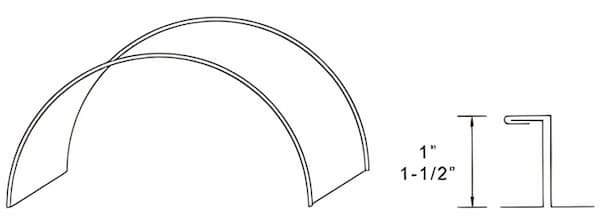
The MLC-100 is a 1-inch curved mechanical seam panel specifically designed for radius roofing applications. Available in 17 and 21 inch widths and made from 24-gauge steel, .032 aluminum, or copper and is suitable for convex (barrel) applications. See the Roof Anchor Compatibility Chart for Architectural Sheetmetal Products, Inc. (ASP) MLC-100 Curved Mechanical Standing Seam Panels.
Fall Protection for MLC-100 Curved Panel: Curved surfaces present unique safety challenges. A fall protection specialist must perform an on-site inspection to determine the safest mounting solution for MLC-100 panels, ensuring the roof's shape doesn't compromise anchor performance.
ASP MLC-150 Curved Mechanical Panel (Requires Inspection by Safety Expert)
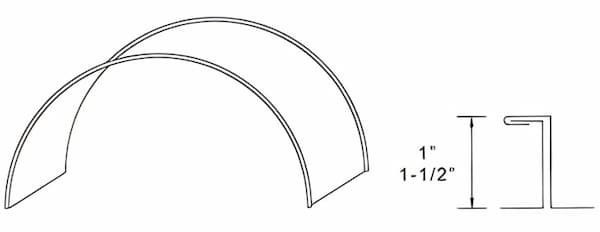
The MLC-150 provides a 1.5-inch curved mechanical seam profile. Similar to the MLC-100, it is used for barrel vaults and curved commercial entrances. It is available in 16 and 20-inch widths in 24-gauge Galvalume steel, aluminum, or copper. See the Roof Anchor Compatibility Chart for Architectural Sheetmetal Products, Inc. (ASP) MLC-150 Curved Mechanical Standing Seam Panels.
Fall Protection for MLC-150 Curved Panel: Due to the radius design, an on-site evaluation by a fall protection specialist is recommended to tailor solutions that meet safety standards without compromising the roof's architectural integrity.
The Danger of Untested and Imported Safety Equipment
The U.S. market has recently seen an influx of imported standing seam anchors that look identical to patented, certified systems but lack the necessary testing. These "knock-off" anchors are often sold at lower price points because the manufacturers have not invested in the rigorous OSHA-compliant and ANSI-certified testing required for life-safety equipment.
Using untested equipment on an ASP roofing project carries severe risks:
- Structural Failure: Imported anchors often use inferior alloys that can crack or shear under the dynamic force of a fall.
- Warranty Voidance: Most major panel manufacturers, including ASP, only recognize fall protection systems that have been verified not to damage the structural integrity of the seam.
- Legal Liability: In the event of a fall, using non-certified equipment can result in denied insurance claims and massive OSHA fines.
Always demand authentic, patented SSRA products to ensure every component has been laboratory-tested to meet or exceed U.S. safety standards.
Standing Seam Anchor Panel Compatibility For 22 Gauge Architectural Sheetmetal Products
| ML-100 (22 Ga.) | ML-150 (22 Ga.) | ML-200 (22 Ga.) | |
|---|---|---|---|
SSRA 1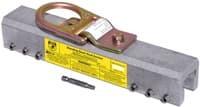 |
YES | YES | YES |
SSRA1 Nylon Tip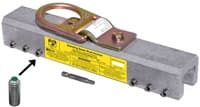 |
YES | YES | YES |
SSRA2 Roof Jack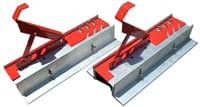 |
YES | YES | YES |
SSRA3 Anchor Plate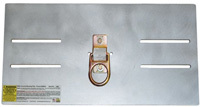 |
YES | YES | YES |
The Ridge Pro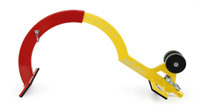 |
YES | YES | YES |
Standing Seam Anchor Panel Compatibility For 24 Gauge Architectural Sheetmetal Products
| ML-100 (24 Ga.) | ML-150 (24 Ga.) | ML-200 (24 Ga.) | SL-150 (24 Ga.) | SL-175 (24 Ga.) | |
|---|---|---|---|---|---|
| SSRA 1 |
NO | NO | NO | NO | NO |
| SSRA1 Nylon Tip |
YES | YES | YES | YES | YES |
| SSRA2 Roof Jack |
YES | YES | YES | YES | YES |
| SSRA3 Anchor Plate |
YES | YES | YES | YES | YES |
| The Ridge Pro |
YES | YES | YES | YES | YES |
Standing Seam Anchor Panel Compatibility For Architectural Sheetmetal Products Cont.
| QuickSnap-16 | SL-100 Nailstrip | SBLC-100 Curved | MLC-100 Curved | MLC-150 Curved | |
|---|---|---|---|---|---|
| SSRA 1 |
NO | NO | NO | NO | NO |
| SSRA1 Nylon Tip |
NO | NO | NO | NO | NO |
| SSRA2 Roof Jack |
NO | NO | NO | NO | NO |
| SSRA3 Anchor Plate |
NO | NO | NO | NO | NO |
| The Ridge Pro |
YES | YES | NO | NO | NO |
Contact the Experts in Metal Roof Safety
To select the correct fall protection system for your specific ASP profile, contact our specialists today at 863-703-4522 or visit www.StandingSeamRoofAnchor.com.
We are here to help you protect both your workers and your roof's warranty. For more information, you can download OSHA's 48-page Fall Protection Manual and our Anchor Inspection Form.
10 Helpful Fall Protection Tips for Standing Seam Workers
- Prioritize Non-Penetrating Anchors: Always use a non-penetrating anchor on standing seam panels. Penetrations through the panel can create hidden leaks and oil-canning issues in the roof system.
- The 24-Gauge Rule: Never clamp to metal thinner than 24-gauge steel (like the 29-gauge ASP QuickSnap 16) unless the manufacturer specifically approves it. Lighter gauges lack the strength to hold a seam clamp under fall arrest forces; use the Ridge Pro instead.
- Avoid Impact Guns: Impact guns can quickly damage set screws or seams. Use a screwgun with the clutch activated to avoid over-torquing of the screws. Always use a calibrated torque wrench do the final torque check.
- Clean Your Seams: Be sure to attach seam anchors to clean seams. Construction debris, dirt, grease, and other contaminants can affect the set screw attachment.
- Calculate Your Fall Clearance: Standing seam roofs are often steep and slick. Ensure your Shock-Absorbing Lanyard or SRL is rated for the specific distance between your anchor point and the nearest lower level or obstruction.
- Manage Thermal Expansion: Use non-penetrating seam anchors on the standing seam roof to prevent damage to the floating roof system.
- Equip Your Crew for Rescue: If a fall occurs on a standing seam roof, the worker will remain suspended in their harness. Because suspension trauma can turn fatal within minutes, you must maintain a Rescue Plan and keep a Rescue Pole or reach-kit on-site. Do not wait for emergency services; ensure your team can execute an immediate recovery to save a life.
- Harness Fitment Matters: Ensure your harness leg straps are tight enough that you can only fit two fingers between the strap and your leg. If it is any looser, a fall could cause severe injury.
- Use Walkboards for Fatigue Management: Use the SSRA2 adapters to set up walkboards. Reduced worker fatigue directly correlates with fewer trips and falls on steep standing-seam surfaces.
- Verify Your Substrate: An anchor is only as strong as its attachment point. Confirm that the installers correctly fastened the ASP panels to the deck or purlins before you trust your life to the seam. A seam anchor cannot save a worker if the entire panel pulls away from the structure during a fall.
Disclaimer
The views, recommendations, and information presented in this blog are solely those of the author and do not necessarily reflect the opinions or positions of the featured panel manufacturer, its brands, subsidiaries, or parent companies. Customers are strongly encouraged to contact the roof panel manufacturer directly for inquiries about fall protection compatibility with their products and to address any potential warranty issues that may arise after installing our products.