Fall Protection For Gibraltar Standing Seam Panels
Posted by Howie Scarboro - CEO Fall Protection Distributors, LLC on Feb 5th 2026
See the Roof Anchor Compatibility Chart for Gibraltar Building Products Standing Seam Metal Roofing.

Who Is Gibraltar Building Products?
Gibraltar Building Products, a division of Gibraltar Industries, has built a strong reputation as a trusted manufacturer and distributor of high-quality roofing and building solutions. Founded in 1993 in Buffalo, New York, Gibraltar has evolved from a modest business into a nationwide leader known for innovation and reliability in the construction industry. The company's commitment to quality and strategic growth has solidified itself as a top choice for contractors and architects nationwide.
Gibraltar's expanded product line features high-performance standing seam solutions, including the sleek Verti-Lok and the versatile SEM-LOK panel systems. Renowned for their fastener-free designs and exceptional durability, these systems are the preferred choice for residential, architectural, light commercial, and industrial projects that require a modern aesthetic combined with long-term weather resistance.
Why Do Standing Seam Roof Systems Require Specialized Fall Protection Strategies?
Standing seam roofs are engineering marvels celebrated for their sleek appearance, long-lasting durability, and excellent weather resistance. However, their unique design demands a specialized approach to worker safety. Traditional fall protection methods that work for asphalt shingles or screw-down metal panels are often incompatible or destructive when applied to standing seam architecture.
Because standing seam panels "float" to allow for thermal expansion and contraction, any safety system that penetrates the metal surface can create permanent weak points. Specialized, non-penetrating seam anchors are critical because they utilize high-strength clamping force to secure workers to the roof's structural ribs without puncturing the metal. To ensure OSHA compliance while protecting your investment, we recommend the following specialized components:
- Standing Seam Roof Anchor (SSRA1): Designed to clamp securely to standing seams without drilling, the SSRA1 ensures OSHA-compliant safety while maintaining the roof's structural and aesthetic integrity.
- SSRA2 Adjustable Roof Jacks: Pair with SSRA1 anchors to support walkboards, creating stable, level work surfaces on sloped roofs.
- SSRA3 Anchor Plates: These mount to the SSRA1 to create secure tie-off points for temporary horizontal lifelines, facilitating 100% tie-off for multiple workers. These plates are a core component of the 100-Foot SSRA Temporary HLL Kit.
- 120-Foot Super Anchor Permanent HLL Kit: Provides a dedicated, non-penetrating cable system for long-term facility access featuring 5-inch galvanized steel riser posts.
- Ridge Pro Steep Assist Anchor: The designated solution for SEM-Lok nailstrip profiles or steep slopes (6:12 to 12:12) where seam-mounted anchors may not be compatible.
Proper Attachment: Set Screws and Torque Requirements
Your safety and the SSRA1 anchor's certified holding power depend on correct set screw application. We provide specialized fastening options based on the material gauge of your Gibraltar panels:
- Cupped-Tip Stainless Steel Set Screws: Use these exclusively on 22-gauge steel panels. Torque them to 90 inch-pounds for a secure, non-destructive lock.
- Nylon-Tipped Set Screws: Apply these to 22- or 24-gauge steel panels to achieve certified holding power. Torque them to 180–200 inch-pounds for maximum strength.
- Maintenance: Treat nylon tips as consumables. Replace them every 3 to 5 uses to ensure they maintain the necessary coefficient of friction.
CRITICAL WARNING: NO IMPACT GUNS
Never use an impact gun to install set screws. Over-torquing with an impact driver will crush the standing seam, damage the anchor hardware, and void the manufacturer's warranty. Always use a calibrated torque wrench for final installation.
Gibraltar Verti-Lok Snaplock Panels (SSRA Compatible 24 ga. Steel)
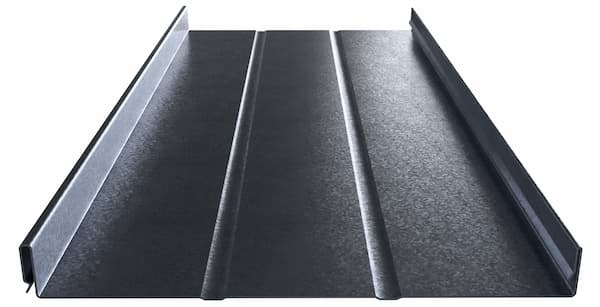
The Verti-Lok concealed fastener roofing system combines clean aesthetics with durable functionality. With a 1.75″ rib height and 16-inch panel coverage, it performs on roof slopes of 3:12 or greater. Fire-resistant and built for long-lasting strength, this system is ideal for residential, architectural, and commercial projects alike. Gibraltar offers this panel made of high-quality 24-gauge galvanized steel. See the Roof Anchor Compatibility Chart for Gibraltar Building Products Verti-Lok Snaplock Standing Seam Metal Roofing.
Fall Protection For Gibraltar Verti-Lok Panels
The 1.75-inch snaplock seam and robust 24-gauge construction make the Verti-Lok an ideal candidate for the complete SSRA product line. These components work together to provide a modular safety ecosystem:
- The Foundation: The SSRA1 Seam Anchor serves as the primary non-penetrating tie-off point. It secures directly to the Verti-Lok seam, providing a certified anchor for a single worker's fall arrest system.
- Staging and Stability: On steep-slope Verti-Lok installations, the SSRA2 Adjustable Roof Jack mounts to the SSRA1. This adapter allows roofers to install level walkboards for staging materials or providing secure footing.
- Multi-Worker Mobility: For expansive Gibraltar roofs, the SSRA3 Anchor Plate integrates with the SSRA1 to support Temporary Horizontal Lifeline (HLL) Kits. This setup allows multiple workers to traverse the roofline with continuous 100% tie-off.
- Long-Term Solutions: For facilities requiring frequent maintenance, the 120-Foot Super Anchor Permanent HLL Kit provides a dedicated cable system using non-penetrating riser posts.
- Initial Access: For slopes between 6:12 and 12:12, the Ridge Pro Steep Assist Anchor provides safe initial access to the ridge to set up the rest of the seam-mounted system.
Gibraltar SEM-Lok Nailstrip Panels (Ridge Pro Only)
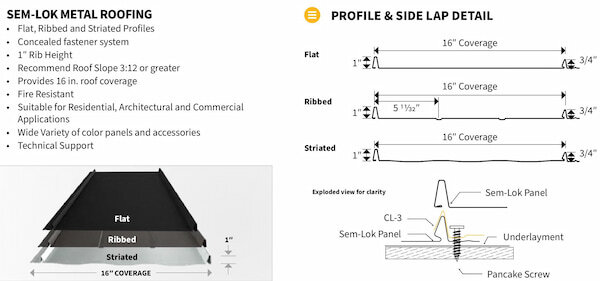
The SEM-Lok Metal Roofing Panel is a versatile system featuring a nailstrip snaplock design. This design offers a weathertight seal without exposed fasteners, providing 16 inches of roof coverage with a 1-inch rib height. Offered in both 24 and 26-gauge steel, these panels are Florida Building Code approved (FL11175-R5) and known for their sleek, modern aesthetic. See the Roof Anchor Compatibility Chart for Gibraltar Building Products SEM-Lok Nailstrip Standing Seam Metal Roofing.
Fall Protection For SEM-Lok Panels
The integrated nailstrip flange on SEM-Lok panels limits the use of traditional seam-mounted anchors. To protect the roof's integrity while ensuring maximum safety, we recommend the following:
- Optimal Solution: The Ridge Pro Steep Assist offers a reliable, non-penetrating solution. This portable anchor hooks over the roof peak, providing a secure tie-off point for roof pitches between 6:12 and 12:12.
- Safety Advantage: The Ridge Pro ensures 100% tie-off compliance without damaging the roof's surface or interfering with the nailstrip assembly. Its lightweight design simplifies transport and on-site configuration.
American Engineering Outperforms "Bargain" Imports
When installing high-performance Gibraltar systems, the choice of fall protection reflects your commitment to quality. The market is increasingly seeing unbranded, imported fall protection anchors that mimic the appearance of certified hardware. While these alternatives promise universal fit, they often lack the verifiable, third-party engineering documentation required to satisfy OSHA 1926.502 and ANSI Z359.18 standards.
By designing, testing, and manufacturing every component in the United States, the SSRA system provides compliance data needed to keep your projects running safely and smoothly.
Standing Seam Roof Anchor Point Compatibility for Gibraltar Building Products
| Verti-Lok (24 Ga.) | SEM-Lok NailStrip | |
|---|---|---|
SSRA 1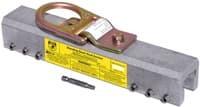 |
NO | NO |
SSRA1 Nylon Tip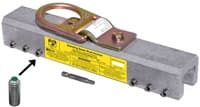 |
YES | NO |
SSRA2 Roof Jack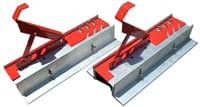 |
YES | NO |
SSRA3 Anchor Plate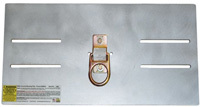 |
YES | NO |
The Ridge Pro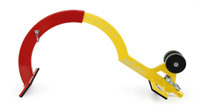 |
YES | YES |
Contact Us For More Information
For further details on roofing solutions and fall protection systems, contact us at 863-703-4522 or visit www.StandingSeamRoofAnchor.com. Let's work together to make your roofing projects safe, beautiful, and built to last. For more safety tips, check out OSHA's 48-page fall protection manual. Once you have determined the most suitable anchors for your roof system, download our free Anchor Inspection Form.
Safety Tips For Standing Seam Roofs
- Establish High-Visibility Perimeter Zones: Mark off work zones with sturdy guardrails or high-visibility warning lines to eliminate the guesswork of where the roof edge begins. This strategy is especially critical where workers can easily lose track of their proximity to hazardous areas. A well-defined perimeter allows your crew to focus entirely on the installation at hand without the constant mental fatigue of monitoring the edge.
- Cultivate a Proactive Safety Culture: Safety isn't just a checklist; it's a shared mindset. Encourage an environment where crew members feel empowered to call a "timeout" if they spot a hazard. By holding daily morning briefings and implementing a simple, no-fault system for reporting site dangers, you transform safety from a set of rules into a collaborative effort that protects everyone's livelihood.
- Deploy Non-Penetrating, Site-Specific Anchors: Standing-seam roofs require non-penetrating anchors that lock onto the seams without piercing the metal. Never settle for "universal" anchors that require you to locate and attach above hidden panel clips; these are nearly impossible to find once the roof is down and can lead to dangerous, unstable tie-offs. Proper anchors protect the worker's life and the building owner's watertight warranty.
- Invest in Premium, Ergonomic Safety Gear: Outfitting your team with top-tier, OSHA-compliant harnesses and lanyards is an investment in productivity. When a harness is breathable, well-padded, and fits correctly, workers are less likely to "cheat" by loosening straps for comfort. Proper gear boosts on-roof confidence, reduces physical strain, and ensures that, if a fall does occur, the equipment performs as intended.
- Mandate the Use of Trauma Straps: In a fall arrest event, the danger continues even after the equipment stops the fall. Suspension trauma can restrict blood flow to the brain within minutes. Equip every harness with trauma straps and train every worker to deploy them immediately to "stand up" while suspended. This simple tool buys rescue teams critical time and can prevent life-altering internal injuries.
- Prioritize Footwear: Ensure every worker wears boots with specialized, high-grip soles explicitly designed for metal environments. Proper footwear is your first line of defense against the "micro-slips" that lead to catastrophic falls on steep pitches.
- Document Site-Specific OSHA Safety Plans: Develop a comprehensive safety plan that addresses the unique challenges of the specific job site before unloading the first panel. This plan must go beyond generalities to include exact tie-off points, clear emergency response protocols, and a practiced rescue strategy. A documented plan keeps you compliant with OSHA standards. It ensures the team knows exactly what to do when seconds count.
- Utilize Permanent Anchor Systems for Long-Term Access: If a building requires seasonal maintenance or frequent equipment inspections, permanent anchors are the gold standard. These fixed tie-off points eliminate the need for repeated temporary setups, saving hours of labor over the life of the building. For high-traffic commercial roofs, permanent anchors ensure that safety is a constant feature, not an afterthought.
- Enforce Rigorous Ladder Safety Standards: Most roofing accidents happen during the transition from the ladder to the roof. Enforce the 4-to-1 ratio—placing the ladder base one foot out for every four feet of height—and ensure the rails extend at least three feet above the eave. Stable, level ground and secure top-ties are non-negotiable requirements for a safe transition.
- Consult Specialists for Complex or Curved Designs: Architectural curves and unique shapes create non-standard loading requirements for fall protection. When a project moves away from standard straight runs, consult with safety professionals to determine the correct anchor spacing and load ratings. Specialized expert guidance ensures you achieve the architectural vision without compromising the structural safety of the tie-off system.
Disclaimer: The views, recommendations, and information presented in this blog are solely those of the author and do not necessarily reflect the opinions or positions of the featured panel manufacturer, its brands, subsidiaries, or parent companies. Customers are strongly encouraged to contact the roof panel manufacturer directly for inquiries about fall protection compatibility.