Fall Protection Strategies For Corle Building Systems Roofs
Posted by Howie Scarboro - CEO Fall Protection Distributors, LLC on Mar 23rd 2026
See the Roof Anchor Compatibility Chart for Corle Building Systems Standing Seam Panels.

Who Is Corle Building Systems?
Corle Building Systems began in 1972 with a mission to design and manufacture metal buildings that outperformed the rest. What started as a single structure under the leadership of John Corle steadily evolved into a national operation serving customers across the United States and Canada. This growth resulted from consistent investment in engineering and manufacturing disciplines and a willingness to adapt as the industry changed.
In the late 1990s, Corle consolidated its operations in Imler, Pennsylvania, creating a centralized manufacturing and engineering hub that remains the heart of the company today. By 2022, Corle had completed more than 500 metal building projects and marked 50 years in business—a milestone reflecting longevity and technical expertise. Corle Building Systems maintains IAS AC472 accreditation in the United States and CSA A660-10 certification in Canada. These certifications require annual third-party audits of management systems, order processing, design procedures, and manufacturing operations, ensuring every structure meets strict performance, quality, and safety standards.
Why Are Compatible Fall Protection Products Required for Corle Standing Seam Roofs?
Corle standing-seam roof systems require non-penetrating fall-protection solutions that safeguard workers while preserving the roof's concealed-fastener design. Standing seam roofs manufactured by Corle rely on structural seam styles and concealed clips to deliver long-term performance. While this design improves weather resistance, it also removes the traditional attachment points that standard fall protection systems depend on.
Drilling through panels or using incompatible anchors can damage the seam, restrict thermal movement, cause hidden water leaks, and result in warranty issues. That is why fall protection on Corle roofs must use non-penetrating systems designed specifically for standing seam panels. Seam-mounted anchors clamp directly to compatible steel seams without piercing the panel, allowing the roof to expand, contract, and drain exactly as Corle engineered it.
For steel 22-gauge and 24-gauge standing seam profiles that accept seam-mounted anchorage, the following products provide a complete safety solution:
- SSRA1 Standing Seam Roof Anchor: A universal non-penetrating anchor that attaches to the seam using 12 stainless-steel set screws, providing a 5,000-pound certified tie-off point without drilling.
- SSRA2 Adjustable Roof Jack Adapters: Adapters that mount to SSRA1 anchors to support a 10-foot walk board. These provide adjustable height and roof pitch correction to create a level surface for tools and equipment.
- SSRA3 Anchor Plate: A heavy-duty aluminum plate that spans two SSRA1 anchors to create a certified attachment point for horizontal lifeline systems.
- SSRA HLL 100-foot Temporary Horizontal Lifeline Kit: A complete, portable lifeline system for up to two workers that allows safe lateral movement across wide roof sections.
- Super Anchor 120-foot Permanent Horizontal Lifeline Kit: A long-term safety solution featuring galvanized steel cables and non-penetrating riser posts for facilities requiring frequent maintenance access.
- Ridge Pro Steep Assist Anchor: A ridge-mounted anchorage device that hooks over the peak to provide safe vertical lifeline access on pitches from 6:12 to 12:12.
Proper Attachment: Set-Screws and Torque Requirements
- Cupped-Tip Stainless Steel Set-Screws: Use these screws exclusively on 22-gauge steel panels. Torque these screws to 90 inch-pounds.
- Nylon-Tipped Set-Screws: Apply these tips to 22-gauge or 24-gauge steel panels to achieve certified holding power without marking the finish. Torque these screws to 180-200 inch-pounds.
- Maintenance: Treat nylon tips as consumables. Replace these tips every 3 to 5 uses to maintain maximum grip strength.
CRITICAL WARNING: NO IMPACT GUNS
Never use an impact gun to install set-screws. Over-torquing with an impact driver crushes the standing-seam rib, causing permanent panel deformation and compromising the anchor's certified holding power. This error damages the anchor hardware, compromises worker safety, and voids the manufacturer's warranty. Always use a calibrated torque wrench for final installation.
Corle Building Systems Seam-Lok Mechanical Panel (SSRA Compatible 24 ga. Steel)
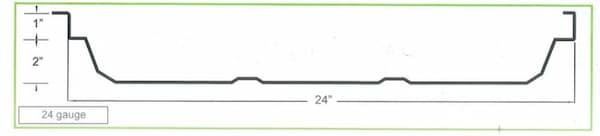
The Corle Seam-Lok mechanical panel delivers structural performance and long-term weather resistance for industrial roofing applications. Corle manufactures these panels from 24-gauge Galvalume steel. Each trapezoidal panel features 3-inch-high seams spaced 24 inches apart. Field-seaming locks each panel together during installation, forming a continuous, weather-tight roof surface. Corle finishes Seam-Lok panels with Trinar coatings backed by a 40-year limited warranty. See the Roof Anchor Compatibility Chart for Corle Building Systems Seam-Lok Mechanical Standing Seam Panels.
Fall Protection for Seam-Lok Panels
- SSRA1 Standing Seam Roof Anchor: Clamps directly to the 24-gauge trapezoidal seam, providing a dependable connection point without drilling or damaging the Trinar finish.
- SSRA2 Adjustable Roof Jack Adapters: Installed on top of SSRA1 anchors to support 10-foot walkboards, providing crews with a level surface on large industrial roof areas.
- SSRA3 Anchor Plate: Spans two SSRA1 anchors to create a secure mounting point for temporary or permanent horizontal lifelines.
- SSRA HLL 100-foot Temporary Horizontal Lifeline Kit: Pairs SSRA3 Anchor Plates with a kernmantle rope for short-term construction phases.
- Super Anchor 120-foot Permanent Horizontal Lifeline Kit: Establishes a long-term tie-off path using galvanized steel cable and riser posts for routine maintenance access.
- Ridge Pro Steep Assist: Provides a ridge-mounted tie-off solution for Seam-Lok slopes between 6:12 and 12:12, keeping workers connected throughout roof access.
Corle Building Systems Snap-Seal SnapLock Panels (SSRA Compatible 24 ga. Steel)
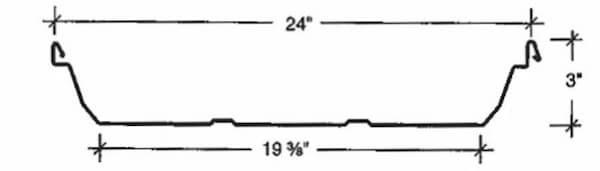
Snap-Seal panels provide reliable weather protection without the need for field-seaming equipment. Built from 24-gauge Galvalume steel, these panels feature a trapezoidal profile with 3-inch-high seams spaced 24 inches apart. The snap-together design reduces labor time while producing a clean, professional roof surface, which is frequently specified for canopies and mini-storage buildings. See the Roof Anchor Compatibility Chart for Corle Building Systems Snap-Seal SnapLock Standing Seam Panels.
Fall Protection for Snap-Seal Panels
- SSRA1 Standing Seam Roof Anchor: Clamps securely to the Snap-Seal seam without drilling, utilizing six pairs of set screws to lock the anchor in place on the seam.
- SSRA2 Adjustable Roof Jack Adapters: Mounted on top of SSRA1 anchors to improve footing and material handling on smaller structures.
- SSRA3 Anchor Plate: Serves as the attachment point for horizontal lifelines when mounted over SSRA1 anchors.
- SSRA HLL 100-foot Temporary Horizontal Lifeline Kit: Provides multi-worker protection during the initial construction phase.
- Super Anchor 120-foot Permanent Horizontal Lifeline Kit: Establishes a consistent tie-off path for ongoing building maintenance.
- Ridge Pro Steep Assist: Offers a practical alternative to seam-mounted systems on slopes between 6:12 and 12:12 by hooking over the roof peak.
Corle Building Systems Vertical Lok Architectural Panels (SSRA Compatible 24 ga. Steel)
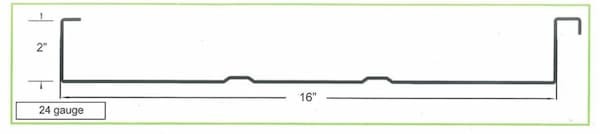
Vertical Lok panels feature a 2-inch seam height and 16-inch spacing, creating a tighter seam layout chosen for commercial façades and mixed-use buildings. Each panel is formed from 24-gauge Galvalume steel and includes a factory-applied sealant for additional protection. The concealed clip system allows for thermal movement, while 360-degree field seaming locks the panels into a continuous surface. See the Roof Anchor Compatibility Chart for Corle Building Systems Vertical Lok Architectural Standing Seam Panels.
Fall Protection for Vertical Lok Panels
- SSRA1 Standing Seam Roof Anchor: Clamps to the 2-inch vertical leg without drilling, creating a secure tie-off point while preserving the factory sealant and seam integrity.
- SSRA2 Adjustable Roof Jack Adapters: Support walkboards with adjustability for roof pitch and seam height, ensuring stable footing for service work.
- SSRA3 Anchor Plate: Connection point for horizontal lifelines, enabling multiple workers to remain tied off across larger roof areas.
- SSRA HLL 100-foot Temporary Horizontal Lifeline Kit: Suitable for construction or retrofit phases on architectural projects.
- Super Anchor 120-foot Permanent Horizontal Lifeline Kit: Provides a fixed, repeatable tie-off route using 5-inch riser posts and non-penetrating seam clamps.
- Ridge Pro Steep Assist: Allows workers to establish a 100 percent tie-off from the ladder on steeper sections (6:12 to 12:12).
Cheap Imports Skip Critical Compliance Testing
The US marketplace is often flooded with low-cost, unbranded imports that mimic the appearance of professional hardware. However, these generic alternatives rarely provide the documented testing required for OSHA-compliant job sites. Our American-made SSRA system eliminates this uncertainty by undergoing exhaustive destructive testing at independent ISO 17025-accredited laboratories.
You can review the full evidence of our performance by visiting our independent laboratory test reports.
Standing Seam Metal Roof Anchor Panel Compatibility Chart For Corle Building Systems
| Seam-Lok (24 Ga.) | Snap-Seal (24 Ga.) | Vertical Lok (24 Ga.) | |
|---|---|---|---|
SSRA 1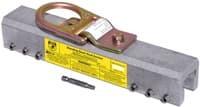 |
NO | NO | NO |
SSRA1 Nylon Tip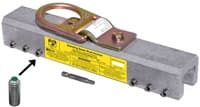 |
YES | YES | YES |
SSRA2 Roof Jack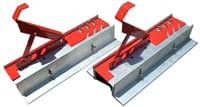 |
YES | YES | YES |
SSRA3 Anchor Plate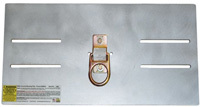 |
YES | YES | YES |
The Ridge Pro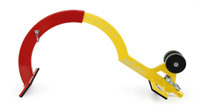 |
YES | YES | YES |
Contact Us for Expert Standing Seam Fall Protection Advice
For expert guidance on standing-seam roof anchors, lifeline kits, and fall-protection systems that protect both your crew and your panels, contact us today at 863-703-4522 or visit www.StandingSeamRoofAnchor.com. Our safety specialists can help you match the right non-penetrating anchor to your specific roof profile and slope. Let's make your next metal roofing project safe, compliant, and built to last. For continued learning, download OSHA's 48-page Fall Protection Manual and our free Anchor Inspection Form once you've selected the ideal anchors for your roof system. Together, we'll help you stay ahead of OSHA standards while preserving your roof's weather-tight seal.
Safety Tips For Standing Seam Roofs
- Promote a Culture of Safety: The safest Corle job sites share one common trait: crews talk before they climb. Brief conversations about roof access, seam layout, and weather changes help everyone anticipate risk.
- Prioritize Ladder Safety Training: Roof safety starts at ground level. Confirming ladder condition, footing, and tie-in reduces exposure during the most overlooked phase of the job.
- Use Specialized Anchor Systems for Standing Seam Roofs: Corle panels rely on concealed attachment. Fall protection built specifically for these systems attaches without penetrating the roof or restricting thermal movement.
- Equip Workers with High-Quality Safety Gear: Harnesses that fit correctly and SRLs like the Malta Dynamics Pygmy Hog or Edgehog make a noticeable difference on metal roofs. Comfortable gear allows workers to focus on task execution.
- Develop OSHA-Compliant Safety Plans: A written safety plan keeps the job site organized. Identifying tie-off locations, walkboard placement, and rescue responsibilities reduces hesitation during critical moments.
- Ensure Proper Footwear for Stability: Standing seam panels can become slick without warning. Boots with non-slip tread and firm ankle support help workers maintain balance while moving between tie-off points.
- Install Permanent Roof Anchor Systems: Many Corle buildings require recurring access. Permanent systems by Super Anchor provide predictable tie-off points, reducing setup time and discouraging unsafe shortcuts.
- Set Up Protective Guardrail Barriers for Work Zones: Guardrails provide passive protection that does not depend on worker action. Around skylights and roof edges, they establish boundaries that crews instinctively respect.
- Encourage the Use of Trauma Straps: Trauma straps allow a suspended worker to stand in the harness and maintain circulation while rescue procedures begin.
- Consult Experts for Curved Metal Panels: Curved roofs require a different approach. A qualified safety professional should evaluate the structure before work begins to preserve the roof system and protect workers.
Disclaimer: The views, recommendations, and information presented in this blog are solely those of the author and do not necessarily reflect the opinions or positions of the featured panel manufacturer, its brands, subsidiaries, or parent companies. Customers are strongly encouraged to contact the roof panel manufacturer directly for inquiries regarding fall protection compatibility with their products and to address any potential warranty issues that may arise after installing our products.