Fall Protection Strategies For Miller Buildings Standing Seam Roofs
Posted by Howie Scarboro - CEO Fall Protection Distributors, LLC on Feb 2nd 2026
See the Roof Anchor Compatibility Chart for Miller Buildings Standing Seam Panels.

WHO IS MILLER BUILDINGS?
Miller Steel Buildings is a premier provider of custom-engineered metal building solutions with over 30 years of industry leadership. Based in Flourtown, Pennsylvania, Miller specializes in the design, supply, and installation of durable steel structures tailored for a wide array of sectors, including industrial facilities, self-storage complexes, religious institutions, corporate offices, and recreational centers. Their reach extends to both domestic and international markets, delivering high-performance structures that meet precise local code requirements.
Supported by a veteran team of engineers, sales specialists, and plant technicians, Miller Steel Buildings partners with clients to develop cost-efficient and structurally optimized designs. Whether the project requires rigid-frame straight columns or specialized gable systems, their custom engineering prioritizes structural integrity and long-term utility. Beyond their full-service installation support, Miller also offers DIY steel building kits for customers seeking hands-on assembly, backed by detailed manuals and site-specific engineered drawings.
WHY ARE COMPATIBLE FALL PROTECTION ANCHORS CRITICAL FOR MILLER STANDING SEAM ROOFS?
Miller Buildings engineers standing seam roofs for extreme durability and weather performance. However, the wrong safety equipment can compromise these benefits. Implementing non-penetrating, compatible anchors remains the only way to protect the roof's structural integrity while ensuring worker safety.
Standard penetrating anchors compromise the roof's watertight barrier, leading to rust, leaks, and the immediate voiding of the manufacturer's warranty. Additionally, the smooth surfaces of a metal standing-seam roof pose unique traction and safety hazards. Non-penetrating seam clamps solve these issues by gripping the seams with high-strength set screws, providing OSHA-compliant tie-off points without breaching the metal panels. For Miller's industrial and commercial clients, investing in a compatible safety system is essential to protecting workers and the building's long-term ROI.
PROPER ATTACHMENT: SET SCREWS AND TORQUE REQUIREMENTS
Your safety and the SSRA1 anchor's certified holding power depend on correct set screw application. We provide specialized fastening options based on the material gauge of your Miller Buildings panels:
- Cupped-Tip Stainless Steel Set Screws: Use these exclusively on 22-gauge steel panels. Torque them to 90 inch-pounds for a secure, non-destructive lock.
- Nylon-Tipped Set Screws: Apply these to 22- or 24-gauge steel panels to achieve certified holding power. Torque them to 180–200 inch-pounds for maximum strength.
Maintenance: Treat nylon tips as consumables. Replace them every 3 to 5 uses to ensure they maintain the necessary coefficient of friction.
CRITICAL WARNING: Never use an impact gun to install set screws. Over-torquing with an impact driver will crush the standing seam, damage the anchor hardware, and void the Miller Buildings warranty. Always use a calibrated torque wrench for final installation.
THE SSRA COMPONENT SYSTEM & EXPANSION TOOLS
The SSRA system is a professional-grade modular platform designed to adapt to the diverse needs of Miller job sites:
- SSRA1 Seam Anchor: The foundation of the system. This patented, non-penetrating anchor provides a 5,000-pound certified tie-off point.
- SSRA2 Adjustable Roof Jack Adapter: Mounts directly to the SSRA1 to support 10-foot wooden walk-boards. Fully adjustable to match the roof pitch and seam height.
- SSRA3 Anchor Plates: Heavy-duty aluminum spanner plates for mounting temporary horizontal lifeline systems.
- 100-Foot SSRA Temporary HLL Kit: A complete, non-penetrating solution for temporary projects. Restrict use to roof pitches of 4:12 or less.
- 120-Foot Super Anchor Permanent HLL Kit: Long-term solution featuring 5-inch riser posts and 120 feet of galvanized cable. Attaches with non-penetrating seam clamps. Restrict use to roof pitches of 4:12 or less.
- The Ridge Pro Steep Assist: The premier "First-Man-Up" tool for pitches between 6:12 and 12:12.
ULTRA-DEK SNAPLOCK TRAPEZOIDAL PANELS (SSRA COMPATIBLE 22/24 GA. STEEL)
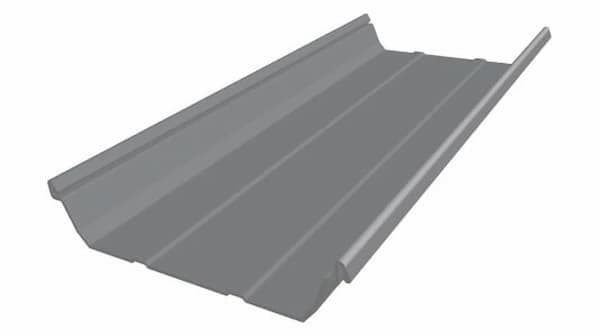
The Ultra-Dek profile is a high-performance roofing solution designed for industrial and commercial environments. These panels feature a 3-inch trapezoidal leg standing seam, offering exceptional structural strength and a bold architectural look. Miller Steel Buildings fabricates Ultra-Dek panels from 22- or 24-gauge steel in 18-inch and 24-inch coverage widths. The manufacturer offers these panels in several premium finishes, including Galvalume Plus, Signature 200, and Signature 300. See the Roof Anchor Compatibility Chart for Miller Buildings Ultra-Dek Standing Seam Panels.
The concealed fastening system supports significant thermal movement through a variety of high, low, fixed, and sliding clip options. With a minimum slope requirement of 1/4:12, Ultra-Dek is ideal for low-slope applications where watertight reliability is paramount.
FALL PROTECTION STRATEGY FOR ULTRA-DEK PANELS:
- Heavy-Gauge Steel (22/24 ga): The SSRA1 Seam Anchor is the required solution. This non-penetrating clamp attaches directly to the 3-inch trapezoidal seam.
- Walking Platforms: Pair the SSRA1 with the SSRA2 Adjustable Roof Jack Adapters to support 10-foot walkboards.
- Horizontal Mobility: Use SSRA3 Anchor Plates to install the 100-Foot SSRA Temporary HLL Kit for short-term work. For long-term facility maintenance, the 120-Foot Super Anchor Permanent HLL Kit uses 5-inch riser posts and non-penetrating clamps (limited to 4:12 pitch or less).
- Lighter Gauges: For 26-gauge steel or steeper pitches, utilize the Ridge Pro Steep Assist Anchor for safety on pitches from 6:12 to 12:12.
DOUBLE-LOK MECHANICAL PANELS (SSRA COMPATIBLE 22/24 GA. STEEL)
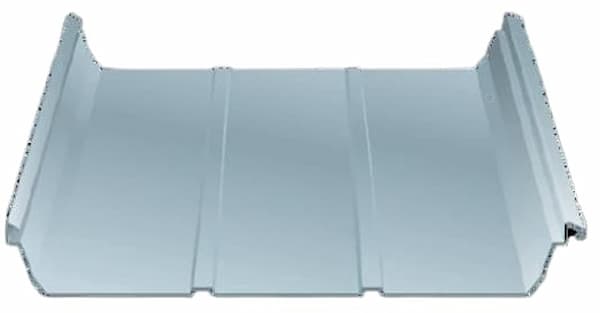
Double-Lok panels are engineered for maximum durability, featuring a mechanically field-seamed trapezoidal leg system. Miller Steel Buildings manufactures these panels in 18-inch and 24-inch widths with a 3-inch seam height using 22- or 24-gauge steel. The system uses sliding clips to accommodate natural thermal expansion and contraction, making them a versatile choice for industrial retrofits. See the Roof Anchor Compatibility Chart for Miller Buildings Double-Lok Standing Seam Panels.
FALL PROTECTION STRATEGY FOR DOUBLE-LOK PANELS:
- Primary Anchorage: The SSRA1 Seam Anchor provides an OSHA-compliant tie-off point on 22- and 24-gauge steel panels without drilling.
- Staging & Access: Use SSRA2 Adjustable Roof Jack Adapters to create stable, level working platforms.
- Continuous Tie-Off: Deploy the 100-Foot SSRA Temporary HLL Kit (via SSRA3 plates) or the 120-Foot Super Anchor Permanent HLL Kit (via 5-inch galvanized riser posts) for facilities requiring frequent access (limited to 4:12 pitch or less).
- Steep Assist: On roofs with pitches between 6:12 and 12:12, deploy the Ridge Pro Steep Assist Anchor.
BATTENLOK HS MECHANICAL PANELS (SSRA COMPATIBLE 22/24 GA. STEEL)
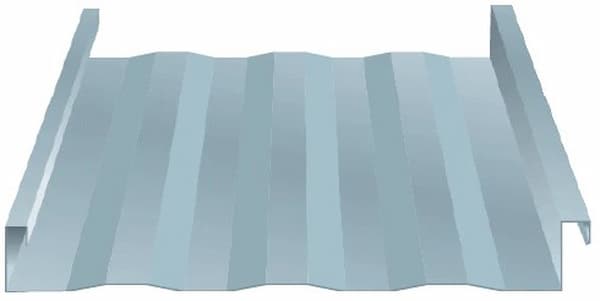
BattenLok HS is a high-strength, structural standing seam system with a 2-inch vertical seam. Available in 12-inch and 16-inch widths, these panels offer a modern architectural aesthetic and are crafted from 22- or 24-gauge steel. This system can be installed directly over purlins or bar joists, requiring a minimum slope of 1/2:12. See the Roof Anchor Compatibility Chart for Miller Buildings BattenLok HS Standing Seam Panels.
FALL PROTECTION STRATEGY FOR BATTENLOK HS PANELS:
- Seam-Mounted Safety: The SSRA1 Seam Anchor is the preferred choice for 22- and 24-gauge steel BattenLok HS panels.
- Staging: Integrate the SSRA2 Adjustable Roof Jack Adapters to create level walkboards.
- Mobility: Deploy the 100-foot SSRA Temporary HLL Kit using SSRA3 plates or the 120-Foot Super Anchor Permanent HLL Kit with its specialized 5-inch galvanized riser posts (limited to 4:12 pitch or less).
- Steep Slope: Use the Ridge Pro Steep Assist for access on roofs with pitches between 6:12 and 12:12.
THE RISK OF GENERIC IMPORTS VS. AMERICAN-MADE RELIABILITY
Using unbranded, imported, or generic "look-alike" anchors on a high-performance Miller Buildings roof creates a massive legal and financial liability for your company. In the event of an accident, these unverified components can lead to OSHA fines, voided warranties, and catastrophic legal consequences.
Because the SSRA1 is engineered, fabricated, and tested right here in the United States, we provide the comprehensive documentation you need to satisfy OSHA 1926.502 and ANSI standards. Overseas manufacturers often provide "self-certified" claims that crumble under legal scrutiny. Unlike these anonymous importers, we offer a dedicated American support staff ready to answer technical questions and assist with site-specific compliance. Saving a few dollars on uncertified hardware is never worth the risk of a catastrophic legal burden or the compromise of worker safety.
Standing Seam Metal Roof Anchor Panel Compatibility Chart For Miller Buildings
| Ultra-Dek (22 Ga.) | Ultra-Dek (24 Ga.) | Double-Lok (22 Ga.) | Double-Lok (24 Ga.) | BattenLok HS (22 Ga.) | BattenLok HS (24 Ga.) | |
|---|---|---|---|---|---|---|
SSRA 1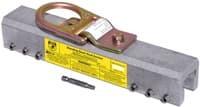 |
YES | NO | YES | NO | YES | NO |
SSRA1 Nylon Tip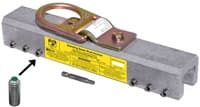 |
YES | YES | YES | YES | YES | YES |
SSRA2 Roof Jack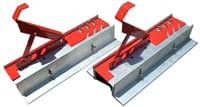 |
YES | YES | YES | YES | YES | YES |
SSRA3 Anchor Plate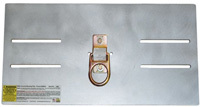 |
YES | YES | YES | YES | YES | YES |
The Ridge Pro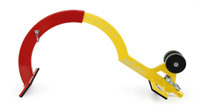 |
YES | YES | YES | YES | YES | YES |
CONTACT US FOR MORE INFORMATION
For further details on roofing solutions and fall protection systems, contact us at 863-703-4522 or www.StandingSeamRoofAnchor.com. Let's work together to make your roofing projects safe, beautiful, and built to last. For more safety tips, check out OSHA's 48-page fall protection manual. Once you have determined the most suitable anchors for your roof system, download our free Anchor Inspection Form.
SAFETY TIPS FOR STANDING SEAM ROOFS
- Define Physical Work Zones: On large low-slope Miller roofs, use guardrails or warning lines to identify hazards. This technique provides a physical reminder and keeps workers focused on the task at hand.
- Stick to Non-Penetrating Anchors: Protect the Miller warranty and the building's watertightness by using non-penetrating anchors exclusively. Never drill into the panel to install temporary safety hardware.
- Implement Site-Specific Safety Plans: Every Miller project should have a documented OSHA-compliant safety plan that includes detailed fall-arrest methods and a clear emergency rescue protocol.
- Prioritize High-Traction Footwear: Metal surfaces can be dangerously slick when wet or icy. Mandate the use of specialized roofing boots with non-slip soles to ensure stability on steep pitches.
- Cultivate a Safety-First Mindset: Hold regular safety briefings and encourage open team communication regarding site hazards. A proactive safety culture is the most effective way to prevent accidents.
- Seek Specialist Advice for Curved Panels: Curved roofs require specialized anchorage solutions. Always consult a fall protection expert before anchoring to radiused or curved panels.
- Equip All Personnel with Trauma Straps: Harness suspension can lead to life-threatening trauma in minutes. Ensure every worker has trauma relief straps to maintain circulation while awaiting rescue after a fall.
- Strictly Adhere to the 4-to-1 Ladder Rule: Ensure all access ladders are stable and positioned on level ground. Pull the base out one foot for every four feet of height to prevent kick-outs and slips.
- Invest in Comfortable, High-Quality Gear: Workers are more likely to stay tied off when their harnesses and lanyards fit well. Provide top-tier, OSHA-compliant personal fall arrest systems (PFAS).
- Install Permanent Anchors for Maintenance: For Miller buildings that require frequent access for HVAC or equipment maintenance, permanent anchor systems offer a simplified, long-term safety solution.